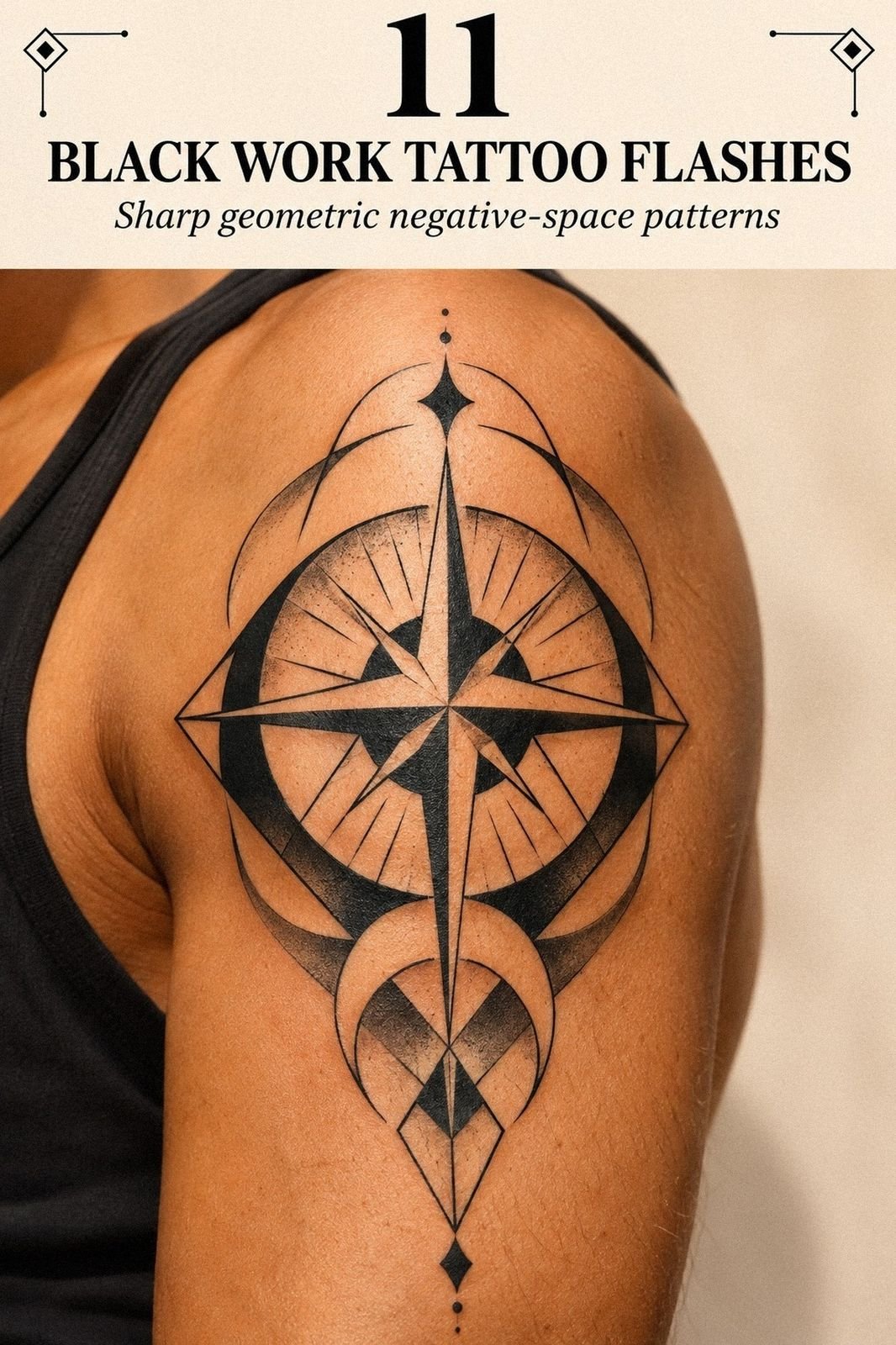
Black Work Tattoo Flash can be a striking first tattoo when the design, placement, and line weight agree. I once chose a piece because it looked bold on paper, then realized the tiny details had nowhere to breathe on skin. You’ll avoid that mistake here with iconic motifs, realistic healing notes, and ideas that still feel personal years later.
You don’t need the loudest design or the highest price. You need a meaningful tattoo that fits your body, your budget, and your patience. That clarity matters!
- Why Traditional Black Flash Still Reads
- How Should a Collarbone Flash Follow the Body?
- Dark Flash: Small Scale, Fierce Impact
- Choose Delicate Floral Linework with Intention
- What Can a Panther or Raven Say Without Words?
- Minimalist Flash for Wrist and Ankle
- The Sirius Black Question: Is the Symbol Yours?
- Ornate Blackwork Across the Back and Shoulder
- Feminine Motifs, Fine Lines, Stronger Meaning
- Skulls Versus Daggers: Which Shape Leads?
- Build a Full-Sleeve Composition Around One Anchor
1Why Traditional Black Flash Still Reads

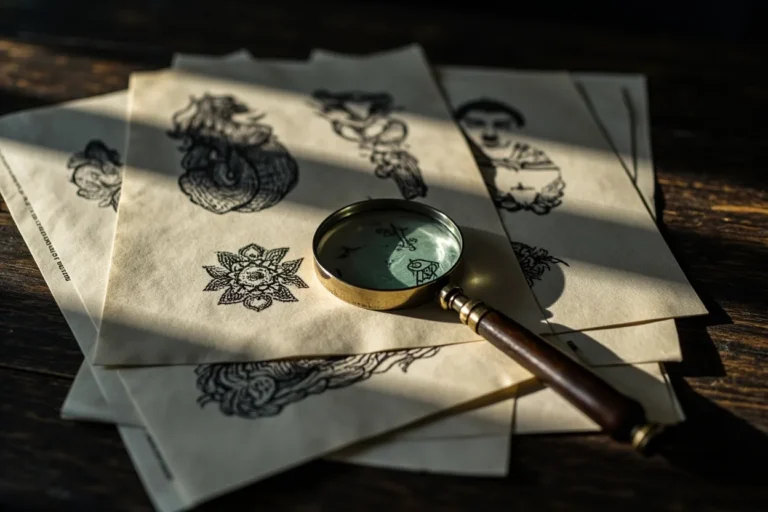
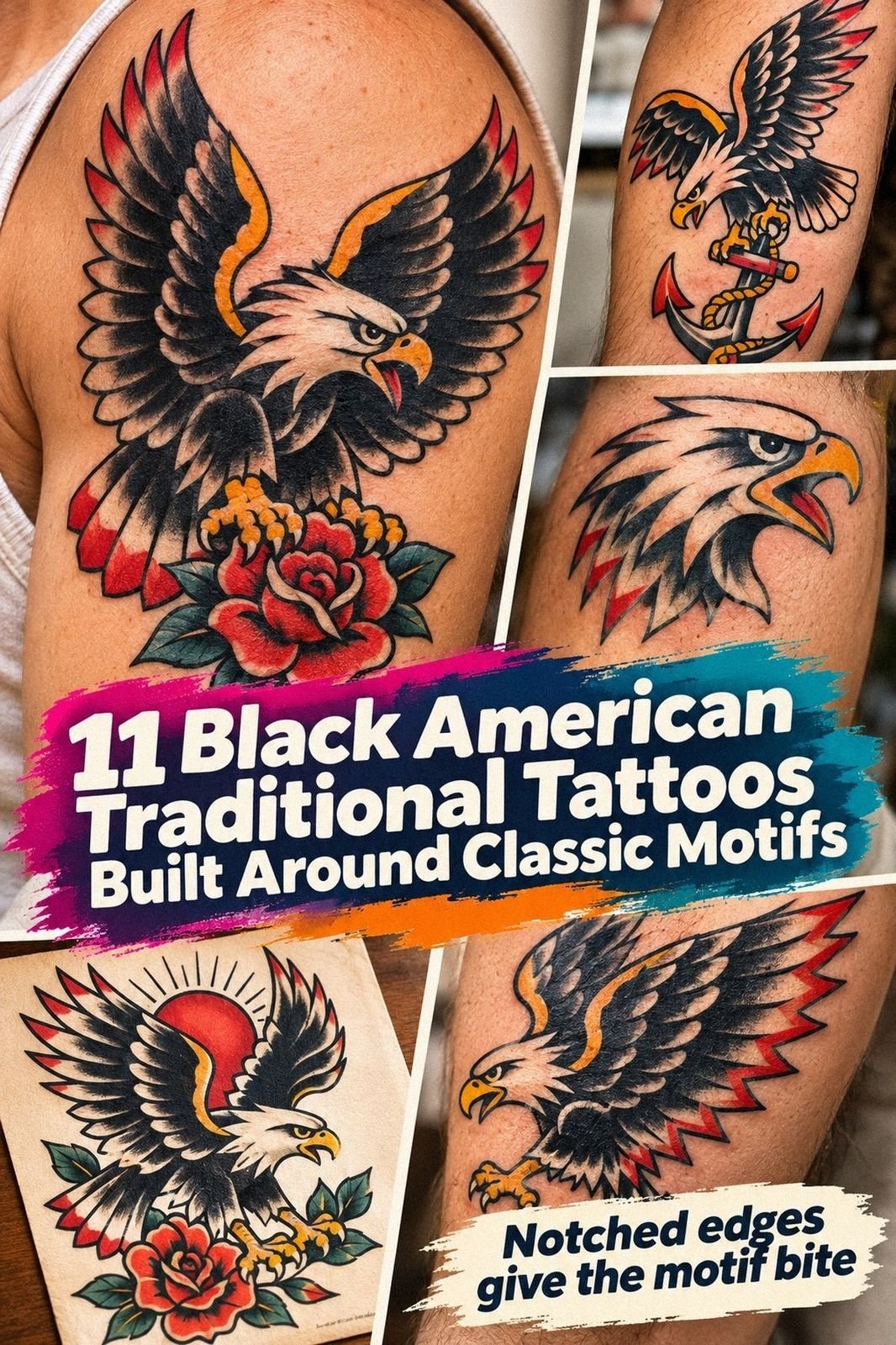
Traditional black work flash earns its place on an inner forearm because the shape reads quickly from across the room. A panther, swallow, dagger, or rose can look bold blackwork without color. Saturated black creates a crisp outline, while small pockets of untouched skin keep the design from becoming one heavy block.
I’d choose one main symbol and let it carry the piece. A black traditional tattoo with a clear border usually ages more gracefully than a crowded cluster of tiny marks. You don’t need five meanings in one flash design.
Pick the symbol that still feels meaningful when you see it without the story attached.
Classic flash works best when the artist keeps the line weight intentional. Thick outer contours, controlled black fill, and a few deliberate highlights create an iconic result. You’ll want to ask how the design was sized for your forearm, because a flash drawing that looks sharp at one scale might lose its small accents at another.
A traditional design can offer excellent value when the motif already has a proven visual structure. That doesn’t mean every old-school piece is automatically worth the cost. Bring two or three references, not twenty, and skip ultra-tiny lettering if it competes with the main shape.
The black work traditional tattoo guide can help you compare traditional tattoo motifs before your appointment.
2How Should a Collarbone Flash Follow the Body?
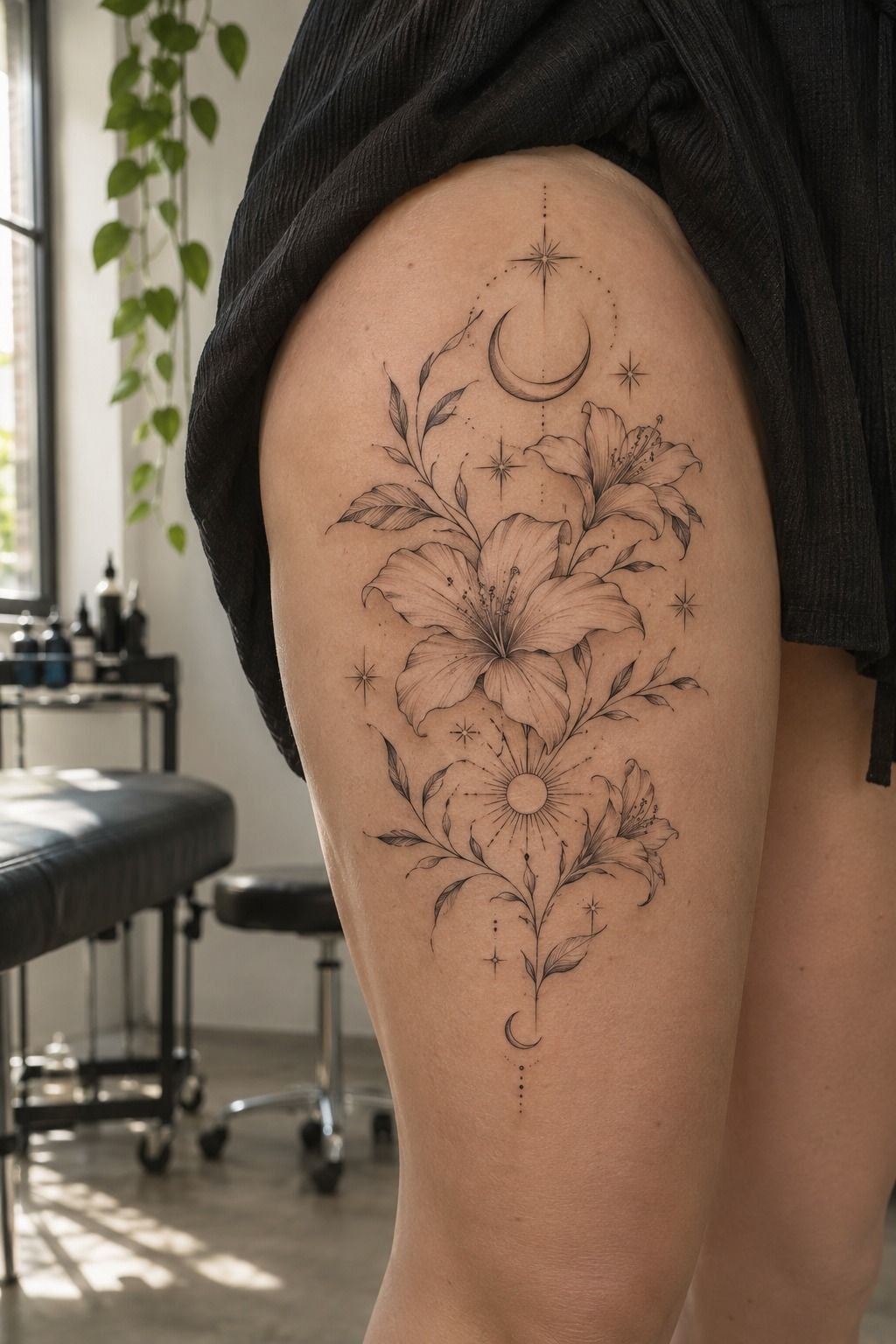
A collarbone design needs a different rhythm from an inner-forearm piece. The collarbone placement should follow the natural curve instead of fighting it. A crescent, thorned heart, or small bird can feel intricate collarbone work without becoming overloaded.
Look for one clear center and two supporting marks. Open skin around the design protects the silhouette and gives the eye somewhere to rest. You’ll get a more edgy result from restraint than from packing every available inch with lines.
I’d ask the artist to show the stencil at its real size before the needle starts. Your collarbone moves when you breathe, lift your shoulders, or turn your neck, so a design that looks balanced on paper may shift once it meets your body.
A slightly wider composition often reads better than a tall one. It may also give you better long-term value because the artist won’t have to compress every detail into a narrow strip. Choose a crisp flash design with visible spacing.
The tattoo flash art archive is useful for comparing older sheets with newer blackwork drawings. If you’re collecting several pieces, leave enough separation so each flash can be read on its own.
3Dark Flash: Small Scale, Fierce Impact
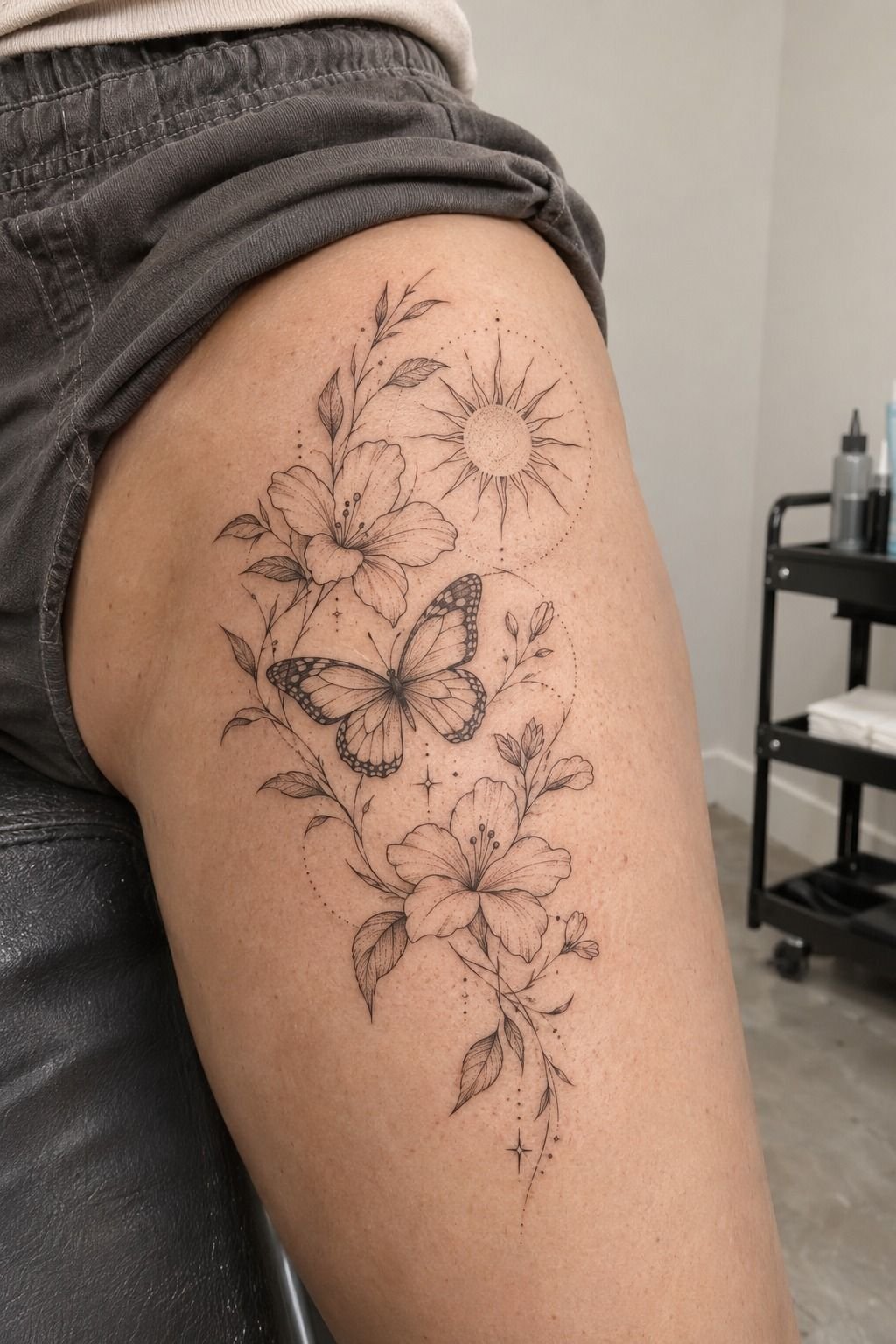
Dark flash doesn’t have to mean a large tattoo. A dark flash design can use a compact silhouette, one heavy shadow, and a few sharp openings to create real impact.
I like small-scale work when the main shape is unmistakable. A small-scale motif can be a bat, mask, thorn, or candle, but it needs a readable outline. If the design only makes sense from two inches away, it’s probably too crowded.
The best budget decision is often to remove details before reducing the size. A smaller tattoo with confident shapes can age better than a cheap, overworked piece. Ask what the artist would cut first if the design had to fit your chosen area.
Think about movement, friction, and visibility before you book. A practical body placement that constantly rubs against clothing may demand more patience during healing. That doesn’t make it wrong, but it changes the cost of care and the practical value of the tattoo.
Controlled black fill can make a compact design feel powerful without turning it into a solid block. Good design doesn’t need a sales pitch!

4Choose Delicate Floral Linework with Intention
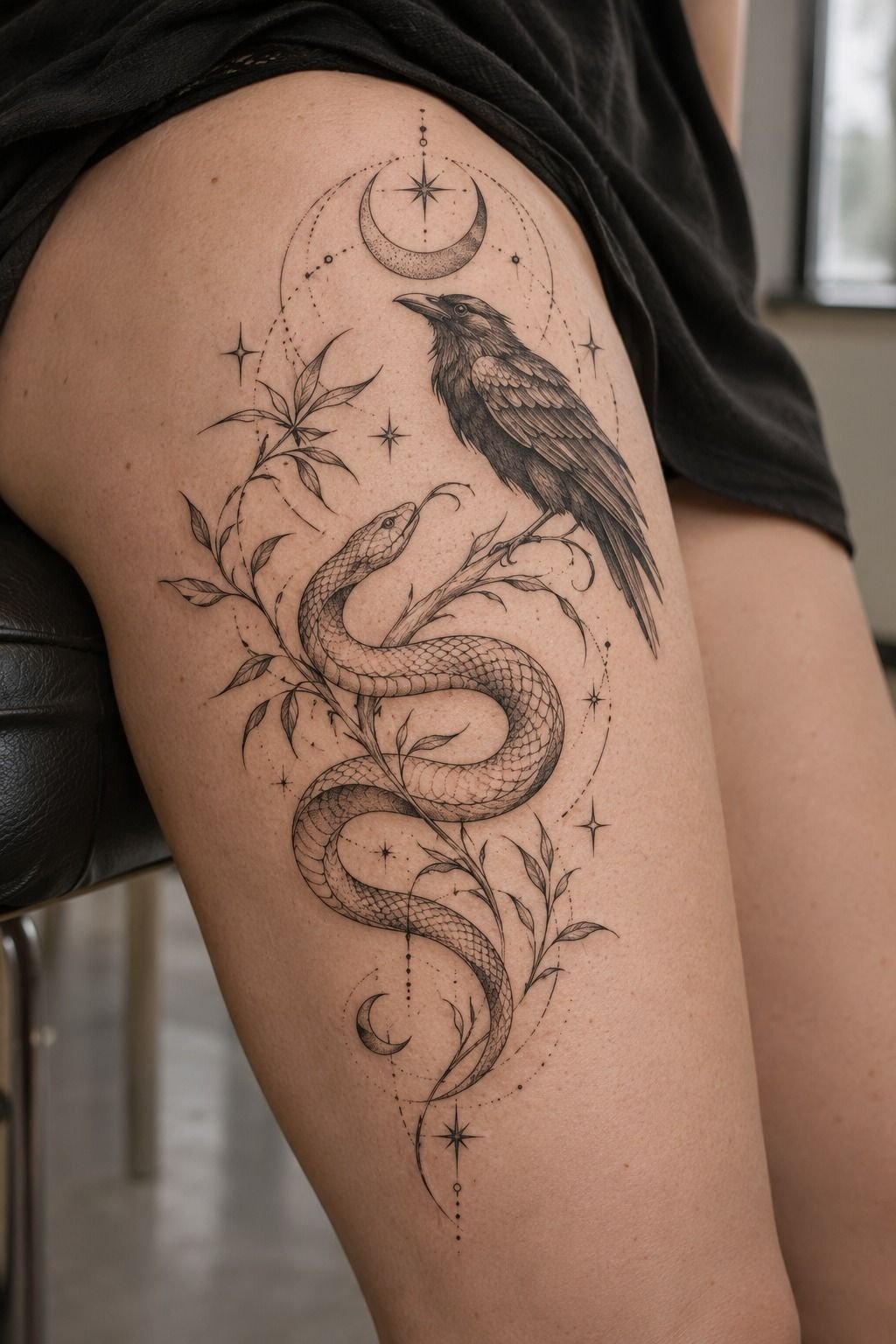
A delicate wildflower sprig along the collarbone can feel graceful floral linework without turning precious.
5What Can a Panther or Raven Say Without Words?
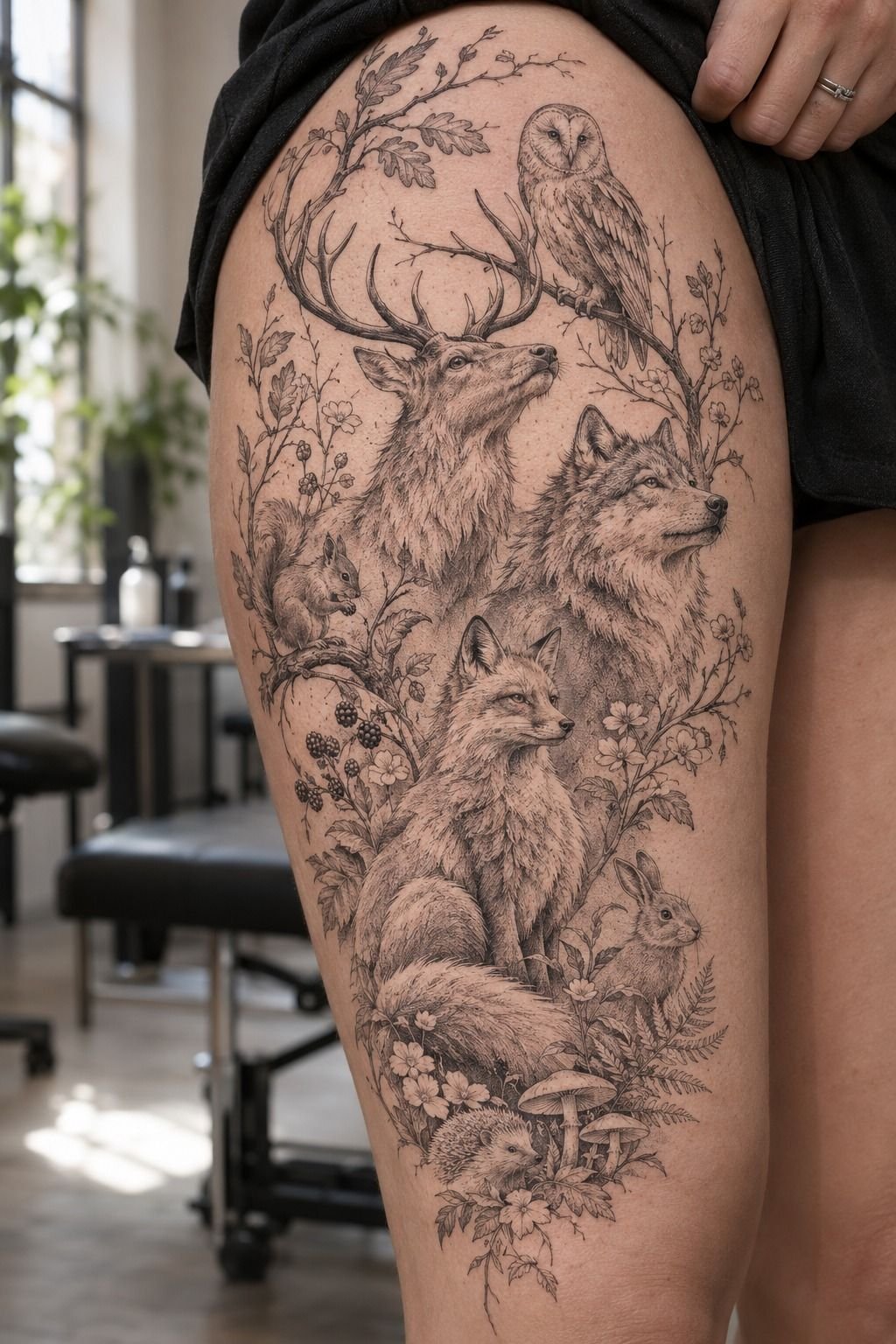
An animal motif can carry personality without needing a long explanation. A graphic animal motif works best when the pose, eyes, and outer contour communicate the feeling immediately. A panther may feel fierce, while a raven can look haunting, watchful, or symbolic.
I’d rather see one confident animal than three competing creatures. A panther silhouette needs enough open skin around the limbs, tail, and jaw so the shape doesn’t collapse into a dark patch. Ask the artist which features will remain legible at your chosen size.
A raven, fox, snake, or moth can fit different placements, but the body should guide the composition. A raven or fox tattoo on the upper arm can turn with the muscle, while a smaller moth may work better near the wrist or ankle.
The price should reflect the design’s complexity, not just its final width. A compact animal with controlled shading may take longer than a larger outline. Ask for a clear quote and decide whether the visual value matches your budget.
The traditional tattoo flash guide can help you compare animal tattoo silhouettes before you settle on one.
6Minimalist Flash for Wrist and Ankle
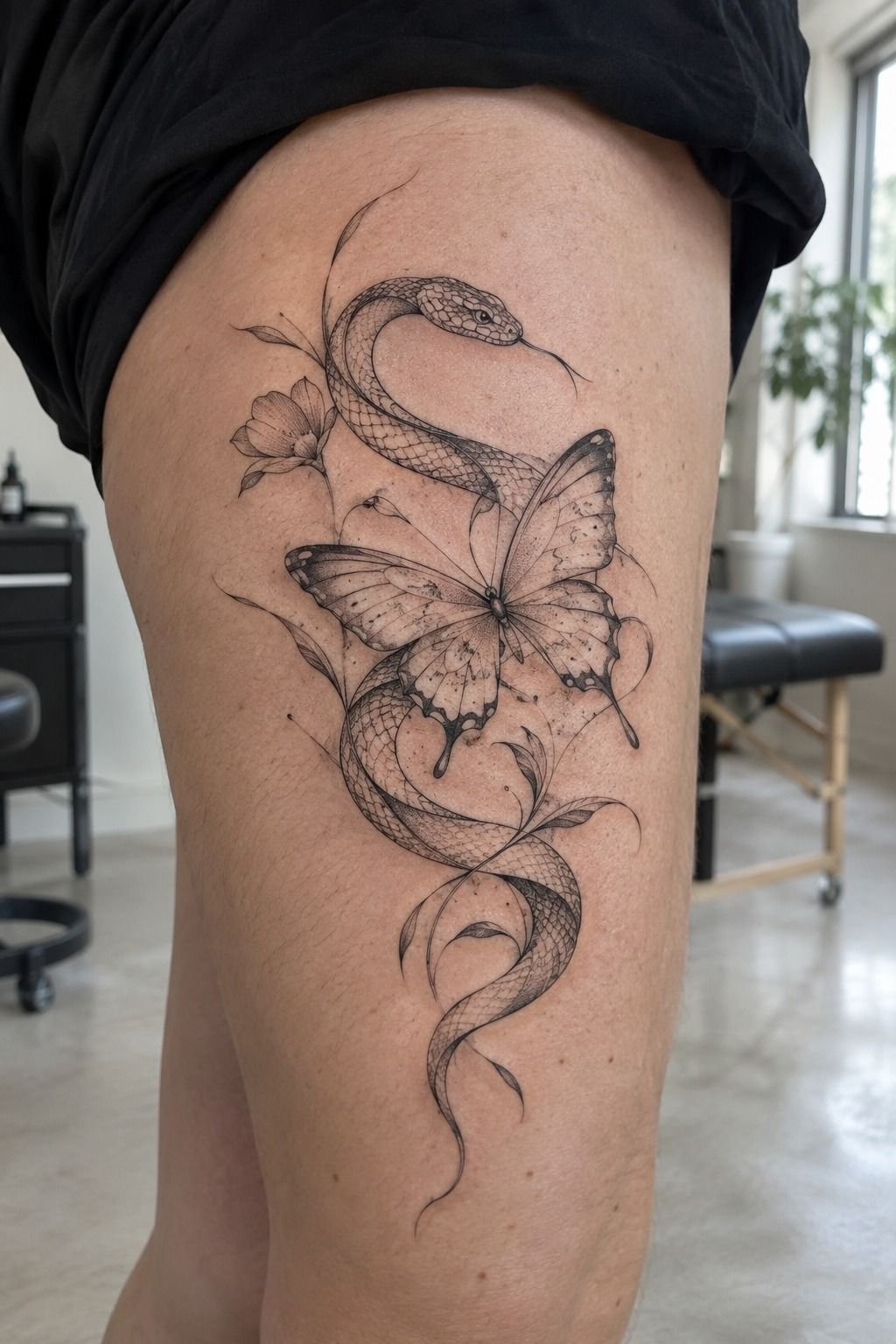
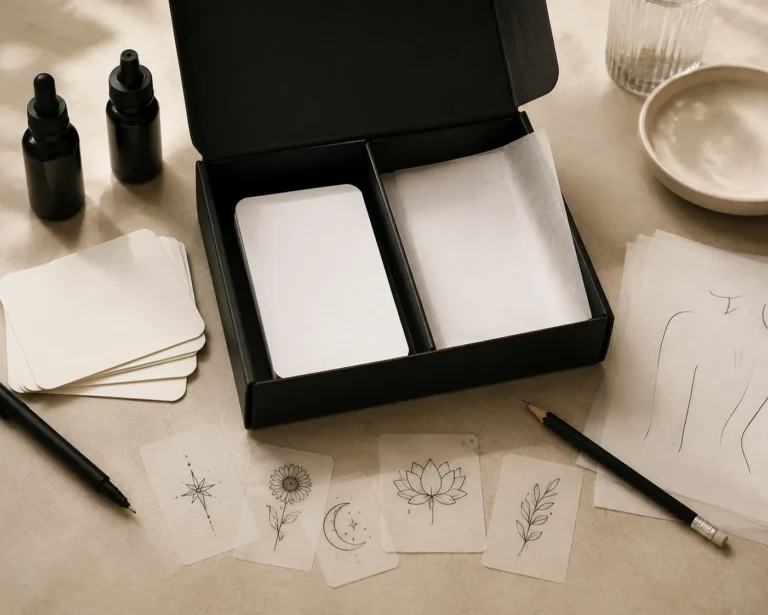
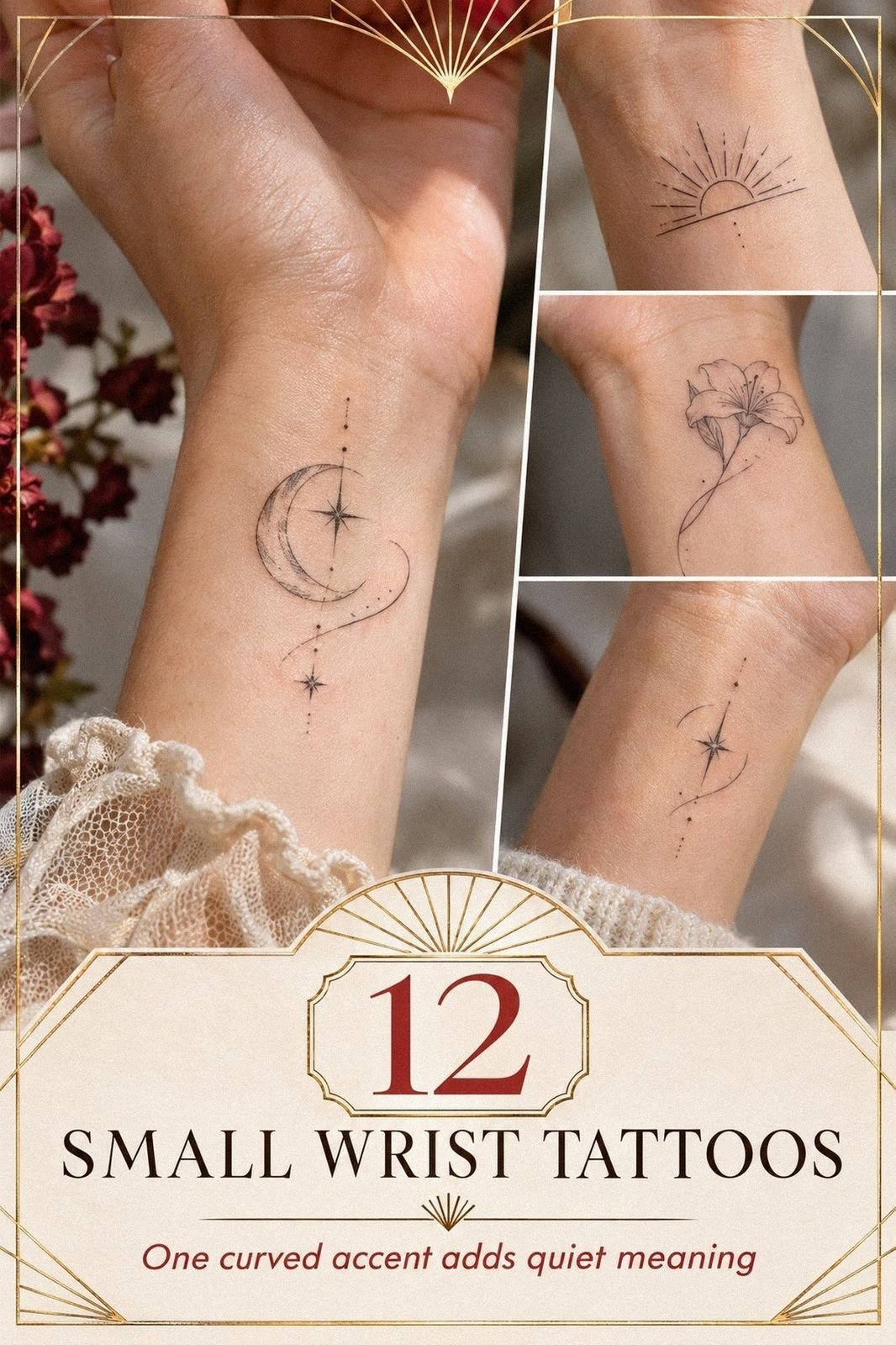
Minimalist flash is a strong option for a wrist or ankle when you want the tattoo to stay visible without dominating your body. A few deliberate strokes can create a sleek symbol with excellent contrast.
A small star, closed eye, tiny blade, or single botanical mark can become a dainty blackwork symbol without turning vague. You’ll want to check whether the artist has experience working with different skin tones, because stencil contrast and healed definition affect how confidently you judge the preview.
I’d keep the wrist design slightly more open than the ankle version. Wrists move constantly and receive daily friction, while ankles may be covered by socks and shoes. The choice is understated wrist placement, but it still deserves thoughtful sizing.
A minimalist tattoo can be good value when the artist’s fee reflects skill rather than unnecessary detail. Don’t assume a tiny design will automatically cost less. Shop minimums and consultation time still matter.
The small blackwork tattoo ideas can help you compare compact tattoo symbols. If you need words, choose one short term with generous spacing and ask whether the lettering will remain readable after healing.
7The Sirius Black Question: Is the Symbol Yours?
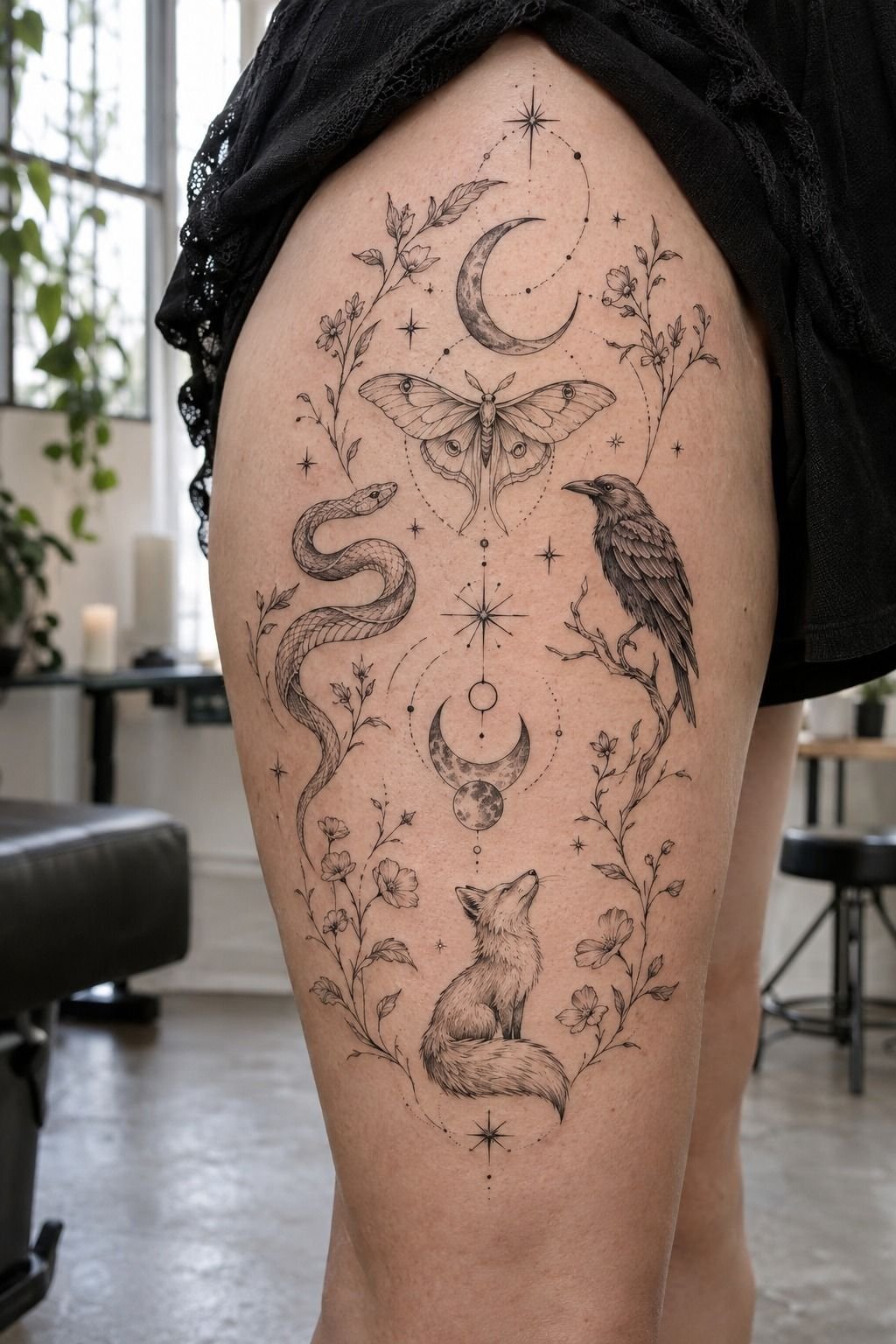
Sacred symbols carry weight, so the design needs more than an attractive outline. A fine-line rib tattoo can use a crescent, eye, halo, sun, or protective mark with hair-thin linework. The result can feel like a sacred symbol without becoming theatrical.
Your first question should be personal: do you understand the symbol, or do you only like its shape? That matters. A tattoo can be meaningful personal symbolism, but you should know why you’ll still want it when the current trend has moved on.
Rib placement is less forgiving than an arm or thigh. The skin stretches as you breathe, and the bones can make the session feel sharper. I’d choose a composition with a clear center and enough untouched skin around the lines.
The cost of a symbolic tattoo isn’t only the appointment fee. You’re also paying with attention, healing time, and future emotional commitment. If the meaning feels borrowed, the price may not be worth it.
The Sirius Black tattoo meaning guide offers one example of how a symbol can carry literary and personal associations. Build your own reference page and ask which details will remain visible after healing.
8Ornate Blackwork Across the Back and Shoulder
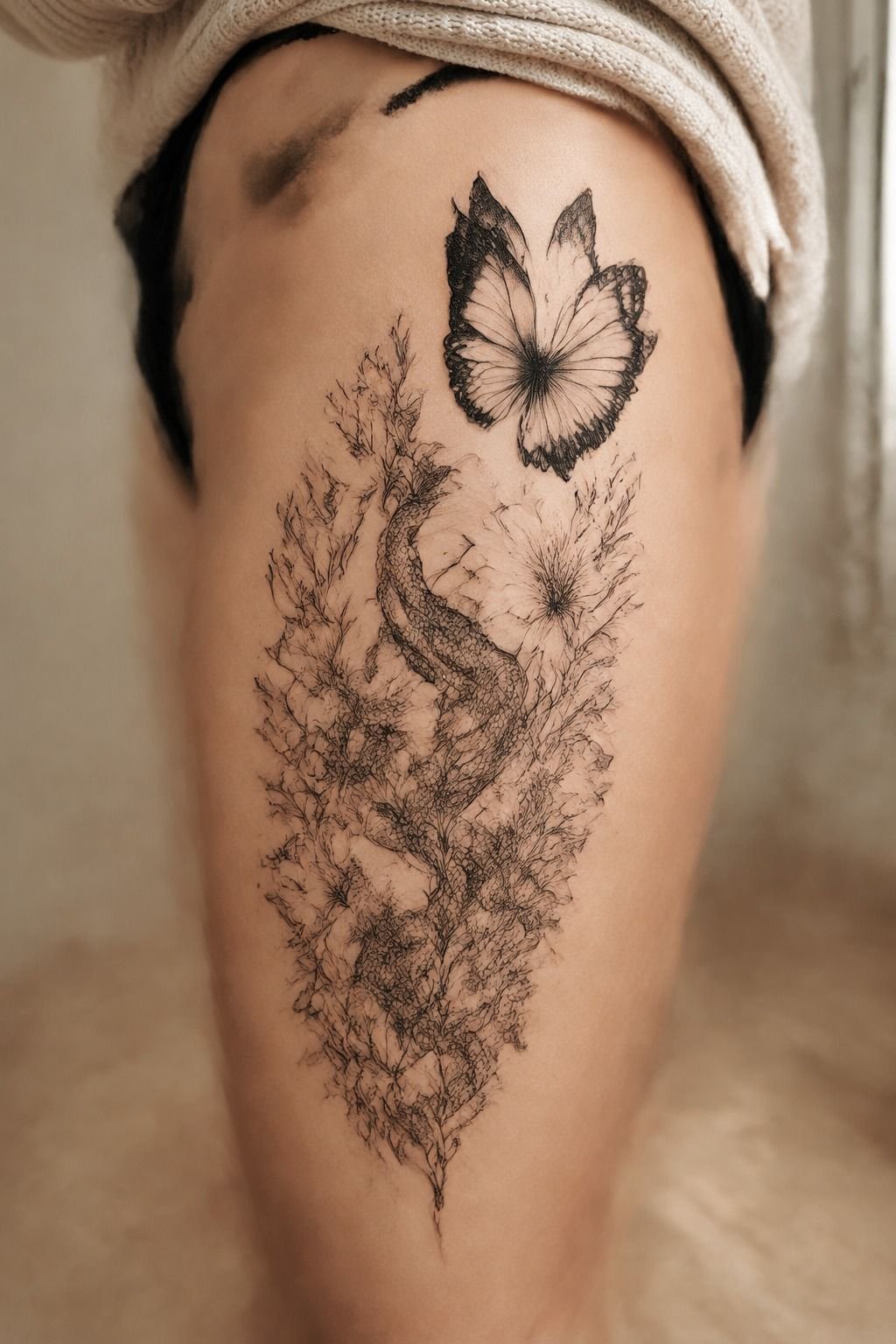
Ornate blackwork can sit across the spine or shoulder blade as a centered emblem. Solid saturated black gives the design an elegant structure, while open skin keeps the pattern from becoming flat.
I’d use a main medallion, curved branch, or winged form and let the surrounding marks echo its direction. That creates an intricate composition with a clear hierarchy. You’ll want to check the stencil while standing and sitting, because the shoulder blade shifts the balance.
The spine is a powerful placement, but it isn’t automatically the best place for a first tattoo. The bone and long session position can test your patience. If you’re unsure, ask for the same design to be scaled for the shoulder first.
A central medallion can deliver strong visual value, but ornamental detail often increases the price. Ask whether the artist charges by the hour, by the piece, or according to size and complexity.
For references, the black work tattoo design page shows how ornamental forms can use negative space. Choose vibrant contrast through shape, not color, and skip filler dots if the central structure already holds attention.
9Feminine Motifs, Fine Lines, Stronger Meaning
Fine-line wrist motifs can be romantic tattoo designs without relying on hearts and script. A crescent, ribboned flower, tiny hand, or flowing profile can feel expressive on the wrist. The strongest designs keep their emotional tone in the gesture.
This is where a feminine subject can remain personal rather than ornamental. You’ll want to ask what the line is doing: is it defining a face, guiding the eye, or simply filling a gap? A flowing contour that serves the silhouette will age better than disconnected marks.
I’d choose one charming detail and enlarge it slightly. Maybe it’s the curve of a petal, the hook of a tail, or the point of a star. That gives the design a whimsical note while preserving readability.
Tiny blackwork can be stylish, but it can’t rely on a viewer standing two inches away. If a fine-line piece costs more because the artist is working slowly and precisely, that may be worthwhile value rather than an unnecessary expense.
If you’re deciding between motifs, save healed examples and compare the line quality. The how to draw tattoo flash guide explains why strong flash begins with a readable shape.
10Skulls Versus Daggers: Which Shape Leads?

Skulls and daggers carry a daring attitude, but they need a clear visual hierarchy. Decide whether the skull, blade, flames, roses, or lettering should lead before the design becomes crowded.
A skull with a clean jawline, one dagger crossing behind it, and a few controlled cracks can be enough. You’ll want to ask your artist which details are essential, because every extra hairline mark raises the chance of visual clutter.
I’d choose bold outer shapes over excessive internal texture. A healed tattoo should still read as a skull and dagger from normal viewing distance. If you’re drawn to rough flash-sheet energy, keep the roughness in the line decisions.
The price should match the time needed for solid fill, shading, and placement. A simpler design may offer better value if you want a shorter appointment and an easier first healing period.
Fresh and healed work can look different. Very fine lines may widen over time, while solid black often holds its visual authority when placement and aftercare are sensible. The traditional Americana tattoo flash guide can help you compare stronger silhouettes with more delicate options.
11Build a Full-Sleeve Composition Around One Anchor
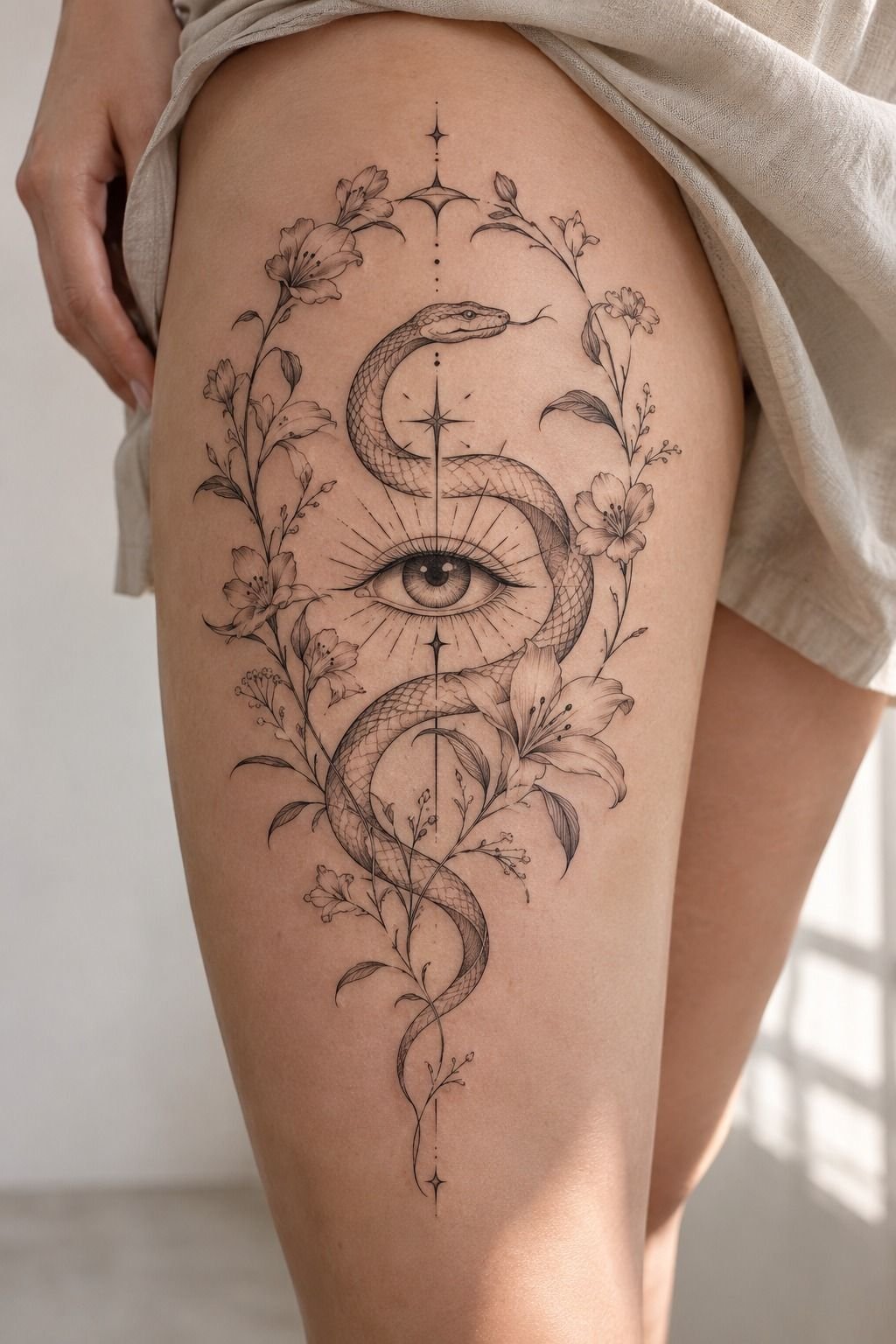
A full-sleeve composition needs a plan before you book the first piece. A full-sleeve plan should account for scale, movement, open skin, and how each later tattoo will connect.
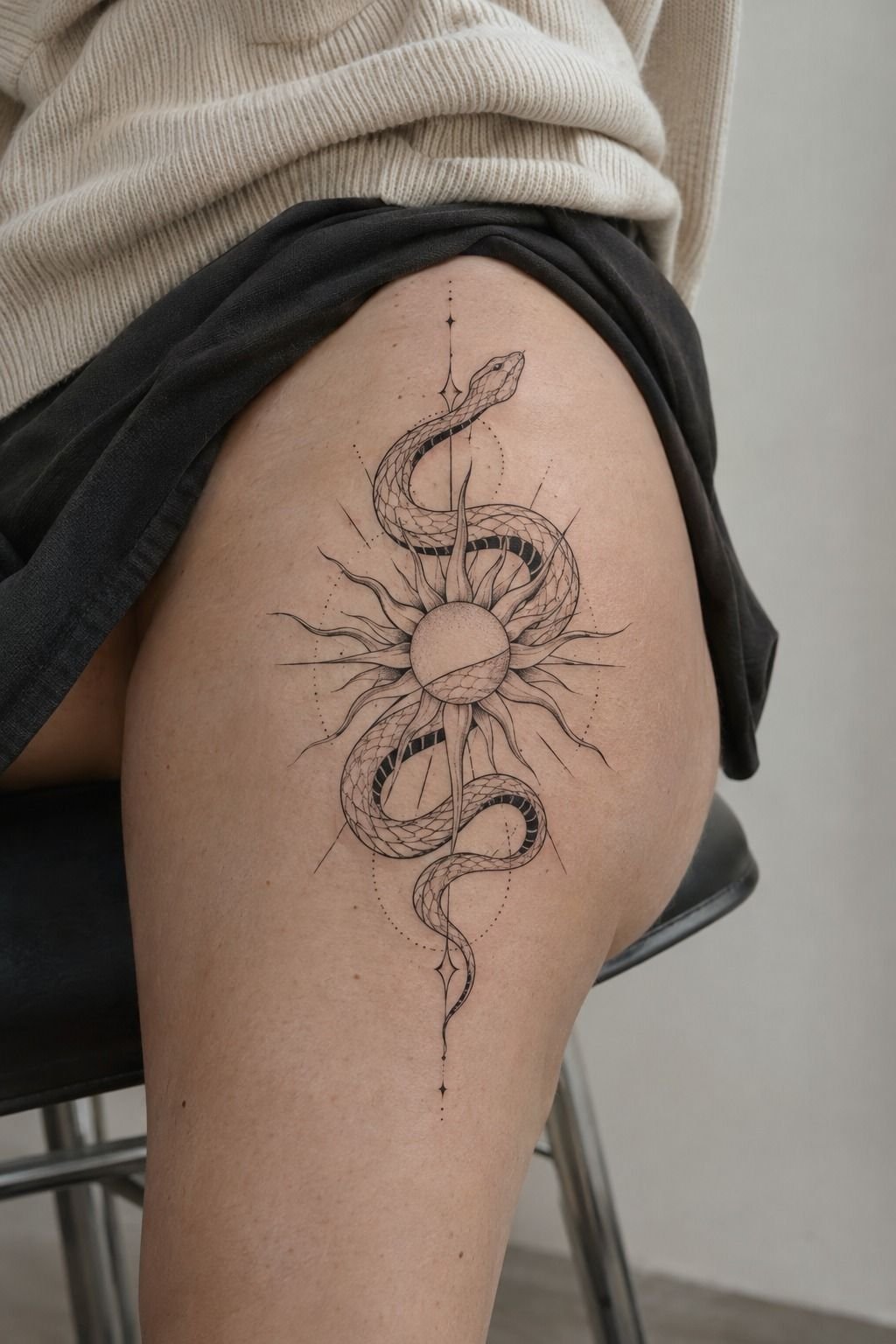
Start with the anchor image. It might be a serpent, bird, mask, or botanical form, but it should establish the scale and direction for everything around it. You’ll want to decide whether your sleeve feels ornate, graphic, organic, or mixed before adding small flash pieces.
I’d rather see three excellent motifs with breathing room than ten symbols packed edge to edge. A bold anchor motif can carry more visual weight than several tiny additions. Your artist can use curved bands, small gaps, and repeated shapes to connect the pieces.
A sleeve is a major budget decision. Ask for a realistic range, appointment schedule, and payment expectations before you begin. The cheapest route may not deliver the best long-term value, especially if later work must correct an overcrowded first section.
Full coverage takes patience, and the final composition may develop over several appointments. The black work tattoo design guide can help you collect references, while the tattoo flash art guide can expand your motif library. Choose the first sleeve piece carefully because it will influence every later decision.
The Rule I’d Use Before Booking Black Work Flash
I’ve learned that a tattoo can be technically impressive and still be wrong for the person wearing it. My first mistake was treating flash like a menu. I picked the sharpest-looking design, ignored the way its proportions would sit on my arm, and spent the appointment wondering why it felt borrowed.
Now I start with the body area, then the visual weight, then the subject. A fine-line symbol belongs somewhere different from a solid black animal. A collarbone design needs a different flow from a wrist mark.
I also pay attention to what the design asks from the skin. Hair-thin lines can widen, especially when a piece is too small or exposed to repeated sun. Solid black with clear spacing generally holds its identity more reliably, but it still needs sensible placement and aftercare.
The best first tattoo is rarely the loudest one. It’s the piece you can explain to yourself in one sentence, then stop explaining.
Save the black work traditional tattoo references and the traditional blackwork tattoo examples. I’d choose the personal blackwork design that feels timeless and clear at its intended size.
Five Questions I Ask Before Paying a Deposit
First, I ask what the artist expects the design to look like after healing. A healed-work portfolio tells you more than a fresh outline, especially when the design depends on fine lines or small gaps.
Second, I ask how the quoted price was calculated. Is it a flat fee, hourly rate, minimum, or estimate? A clear answer protects your budget and makes the appointment feel more professional.
Third, I ask whether the design can be adjusted without losing its identity. A realistic stencil should show the actual size, placement, and major details before the appointment begins.
Finally, I ask what the artist would remove. If the answer is “nothing,” I’m cautious. Good editing is part of the value, and restraint often produces a more powerful tattoo!
How Placement Changes the Value of a Tattoo
A forearm piece may be easier to inspect, protect, and show during healing. A visible placement can also make the tattoo feel useful to you because you’ll see it regularly, but that visibility may matter at work or in future situations.
Ribs, feet, hands, and sternum can require more patience. A sensitive placement isn’t automatically a bad choice, but you should understand the session, aftercare, and possible friction before paying a deposit.
Placement also affects scale. A design that looks polished on the forearm may need more open spacing on the ankle or wrist. Choose the area first, then ask the artist to adapt the motif rather than forcing a favorite design into the wrong shape.
A Consultation Checklist for Black Work Flash
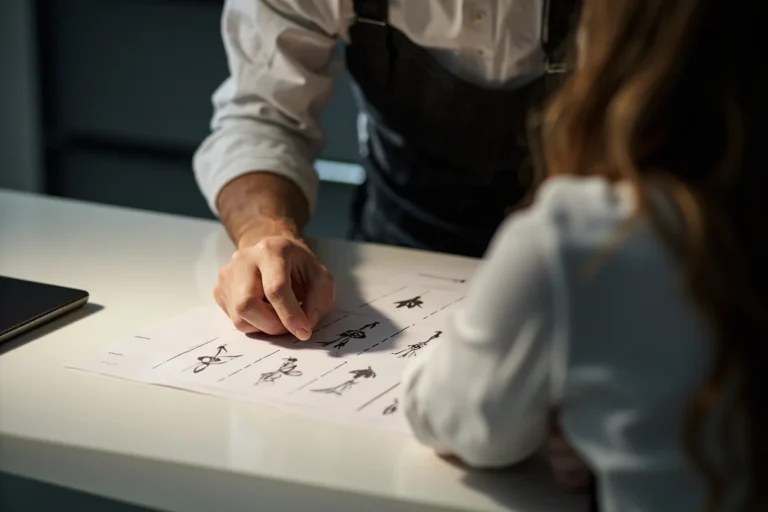
Bring one favorite reference and one backup. A focused reference set gives the artist direction without asking them to copy another person’s tattoo exactly.
Discuss size, placement, line weight, black saturation, healing, aftercare, and the expected appointment length. You should also confirm the total price or the range you’re likely to pay.
Ask to see the stencil while standing and moving. If the tattoo is intended to curve around a limb, the design should make sense as your body moves. Good!
Black Work Tattoo Flash Cost and Healing Notes
Typical US pricing depends on the artist, region, size, placement, and whether the shop uses a minimum or hourly rate. These are planning ranges, not a quote. A flash piece may fall around $100 to $300, while a shop minimum can sit near $50 to $100 and an hourly rate around $100 to $250.
A US shop minimum can make a tiny tattoo cost more than expected, so ask before you book. Small size doesn’t always mean low cost, especially when the artist has a minimum charge or needs consultation time.
An hourly tattoo rate may be more practical for ornate blackwork, sleeves, or designs that require careful shading. Ask whether the estimate includes setup, stencil adjustments, and breaks.
Your surface may heal in about 2 to 3 weeks, but complete healing can take about 2 to 3 months. A sensible healing timeline includes gentle washing, light moisturizing, and protection from direct sun. Avoid swimming while the surface is healing.
I once judged a tattoo too early because the fresh black looked unusually sharp. That wasn’t a problem with the work; it was a problem with my expectations. Keep your tattoo budget honest, review hygiene standards, and remember that a polished design from the right artist can be worth more than a rushed bargain.
A Few Things Worth Answering
How much does a Black Work Tattoo Flash usually cost?
A Black Work Tattoo Flash piece typically costs about $100 to $300 in the US, though a shop minimum may be around $50 to $100 and hourly rates may be around $100 to $250. Your final price depends on the artist, region, size, and placement. A clear price estimate is worth requesting before you confirm the appointment.
Small flash can still meet the shop minimum, so you shouldn’t assume a tiny design will cost only a few dollars. The tattoo flash art guide can help you understand common flash formats before you contact a studio.
Are Black Work Tattoo Flash a good idea for a first tattoo?
Yes, Black Work Tattoo Flash can be an excellent first tattoo because the subject is already developed and the design can be sized for a tolerable placement. Clear black shapes and restrained linework can also remain readable as the tattoo settles. A prepared flash design may give you better value than commissioning something from scratch.
Your best choice will still depend on whether the image feels meaningful to you. An expressive tattoo design you understand is stronger than a trendy symbol you’ll question next year. Ask for a stencil first.
How do I choose a tattoo artist for Black Work Tattoo Flash?
Choose an artist with clean healed work, consistent linework, and a portfolio that includes your intended style and placement. You’ll also want to review studio hygiene, consultation habits, and how clearly the artist explains aftercare. That research can save you from paying the wrong price for the wrong fit.
Look for sharp outlines, deliberate black fill, and examples taken after healing. The how to draw tattoo flash guide can help you recognize whether a design has a strong structure before you book.
How much do Black Work Tattoo Flash hurt?
Pain varies by person and placement. Ribs, feet, hands, and sternum are often more sensitive, while the forearm, thigh, and shoulder are commonly more tolerable. A manageable first placement may be worth choosing if you’re nervous.
Your session may feel different from someone else’s, and stress can make sensations feel sharper. A gritty rib piece may suit the location visually, but I’d choose an easier placement for a first tattoo if you’re worried.
How long does a Black Work Tattoo Flash take to heal?
The surface usually heals in about 2 to 3 weeks, while complete healing can take about 2 to 3 months. Wash gently, moisturize as directed, avoid strong sun, and stay out of pools while the surface is healing. Follow the artist’s instructions over generic advice.
You’ll probably notice peeling, dryness, or temporary dullness during the process. That doesn’t mean the tattoo has failed. Don’t pick at the skin while the healed tattoo result develops.
What’s the best placement for Black Work Tattoo Flash?
The forearm, thigh, and shoulder are practical placements because they’re often more tolerable and give clear space for readable blackwork. The wrist can suit a smaller symbol, while ribs, feet, hands, and sternum usually demand more patience. Your best value comes from matching the design to the body area.
Your choice should balance visibility, pain, movement, and future plans. An understated wrist symbol may suit you better than a larger piece if you want an easy daily glance without making the tattoo the first thing everyone sees.
Is black still the right tattoo color in 2026, and where can I find flash?
Yes, black remains the core choice for this style because it gives traditional motifs, fine-line symbols, and graphic designs a clear visual language. You can find flash through studio collections and artist portfolios. A current flash collection is usually more useful than a random online search.
I don’t use affiliate links here, and you don’t need to buy through a recommendation. Save references, contact the artist directly, and ask about current availability. A vibrant black design should begin with the artist’s work, not a shopping list!
Where I’d Start First
If I had to pick one, I’d start with the black traditional inner-forearm flash. Its bold silhouette stays readable, the placement is usually more tolerable, and you won’t need to explain every detail for it to feel personal. That combination makes it a practical first tattoo for many people.
Pin the black work traditional tattoo guide for later and bring one clear favorite to your consultation. The right design should feel fierce, polished, and personal before you ever sit down.