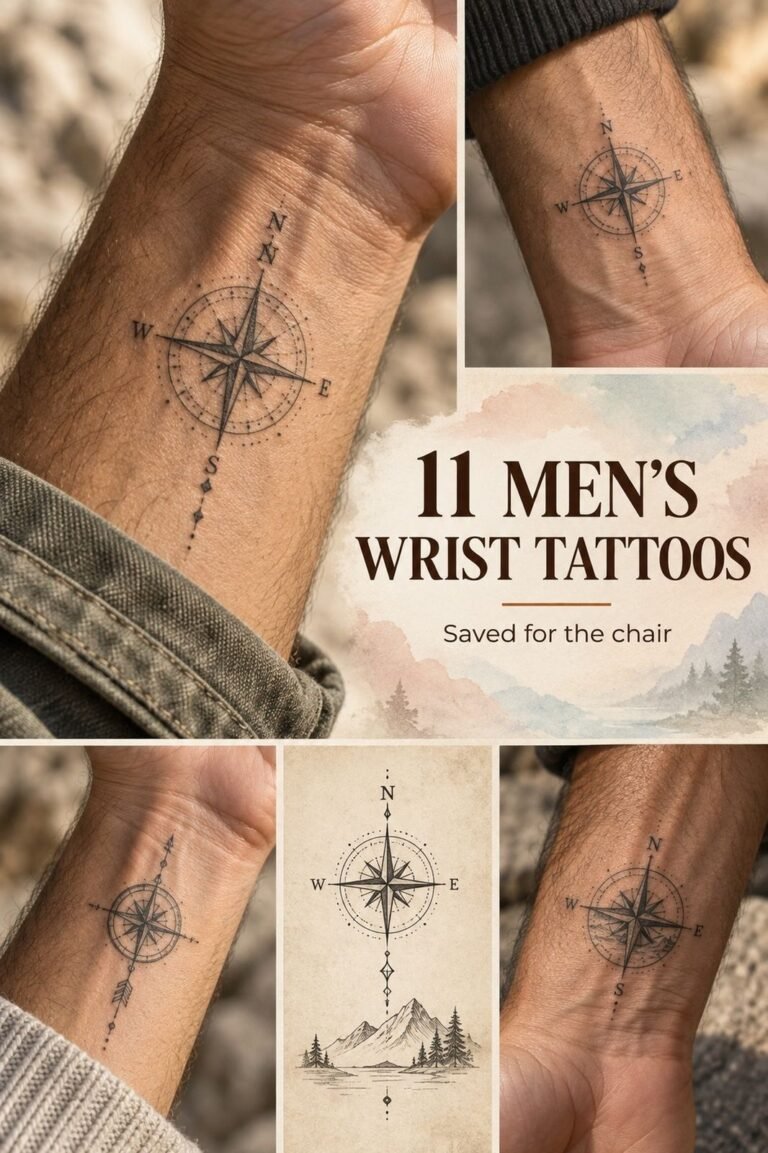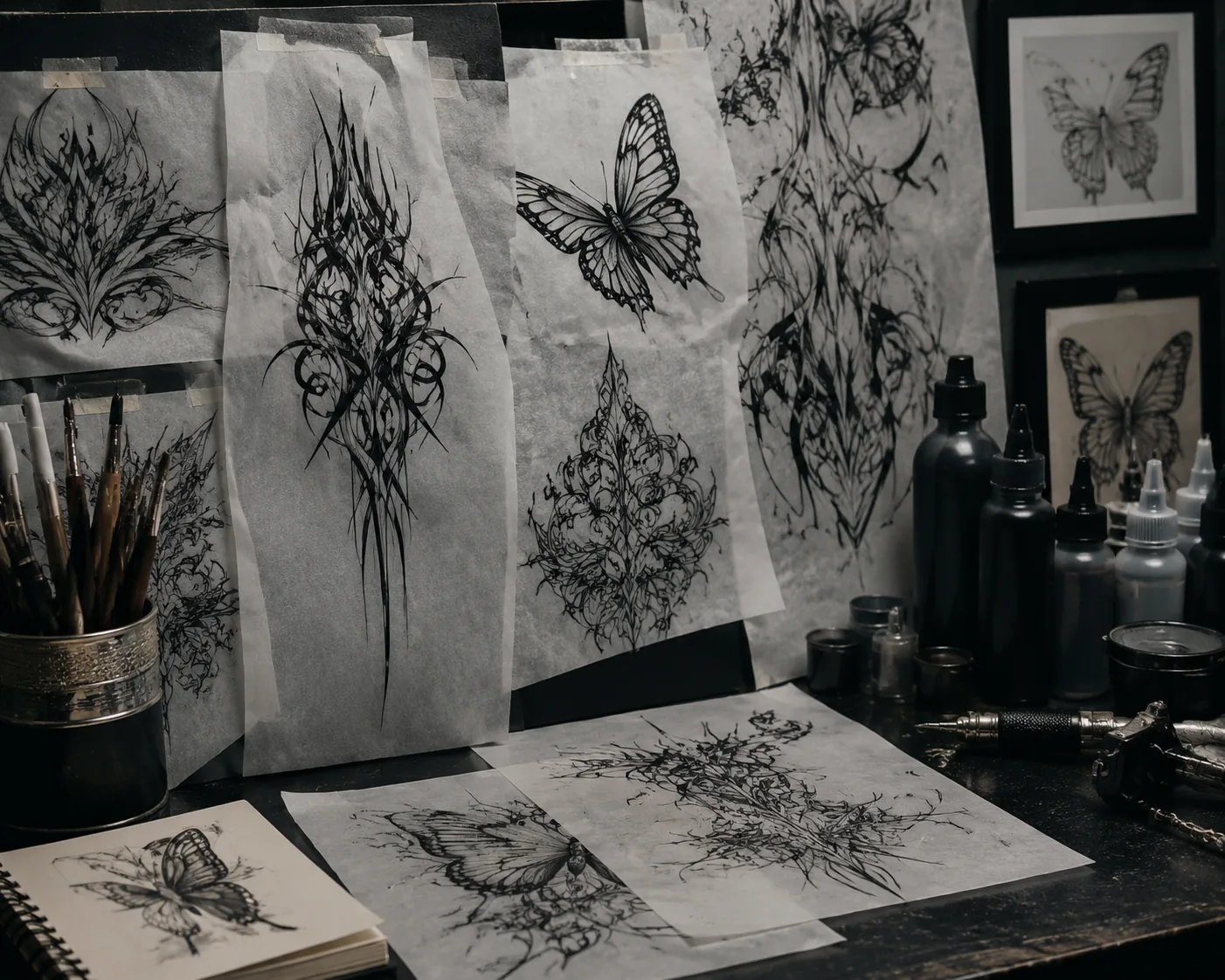
Baddie tattoo ideas are usually about placement confidence: sternum, hip, hand, neck, rib, thigh, or visible arm. The risk is choosing a placement for the photo instead of the life after it.
Quick answer: Good baddie tattoo ideas include hip script, sternum ornaments, rib butterflies, hand symbols, thigh florals, snakes, neck marks, and bold fine line designs sized to stay readable.
Baddie tattoo directions
The placement often carries the mood as much as the design.
| Option | Best use | Keep in mind |
|---|---|---|
| Hip script | Private but confident | Lettering must be readable |
| Sternum ornament | Statement placement | Pain and symmetry |
| Rib butterfly | Soft but visible in styling | Wing detail needs space |
| Hand symbol | High visibility | Fading risk |
| Snake or dagger | Sharper mood | Needs flow and contrast |
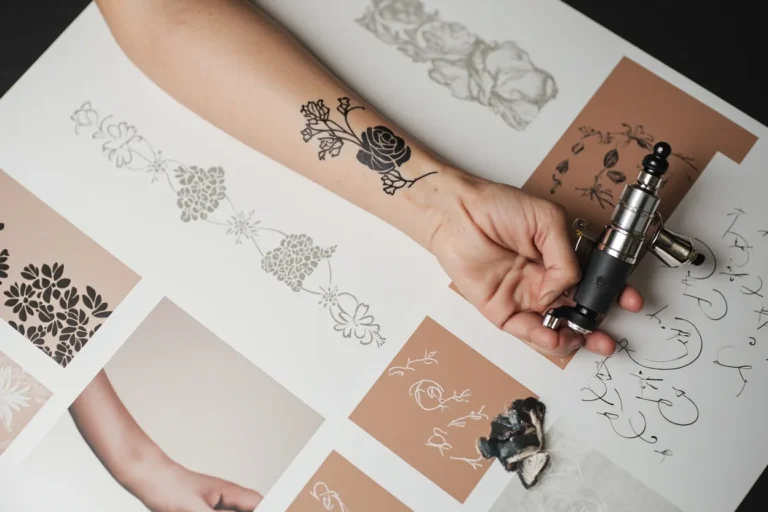
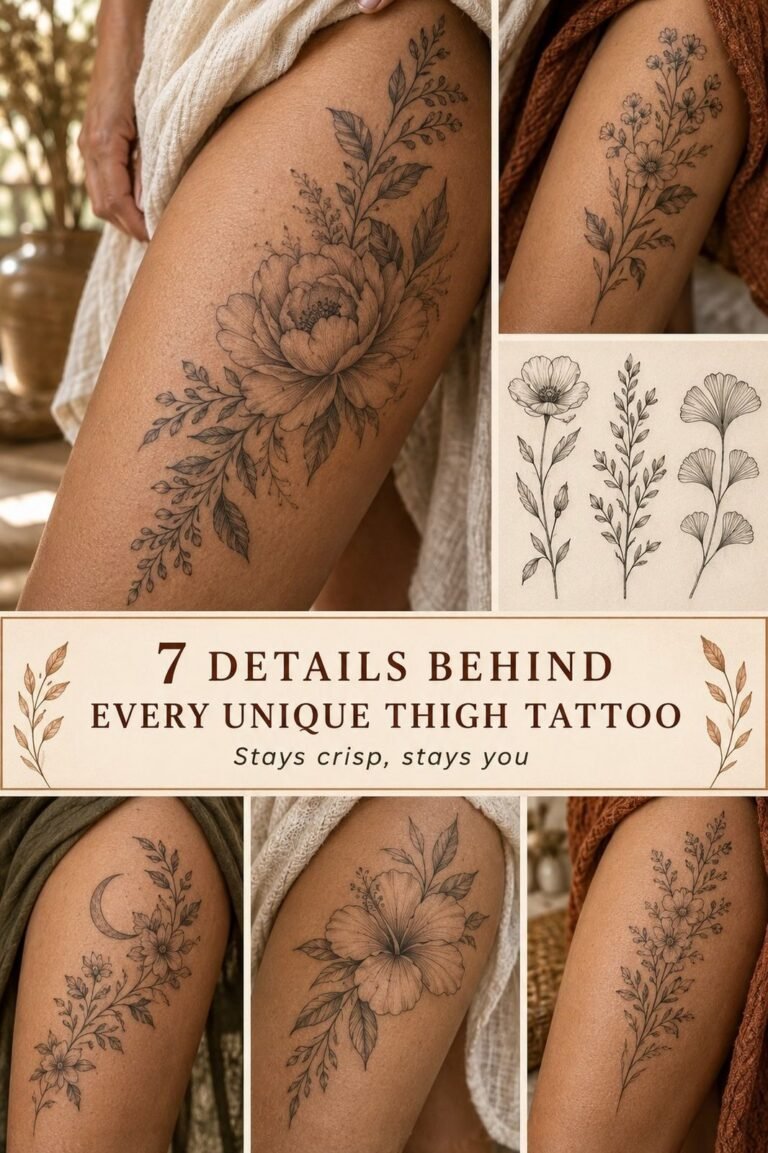
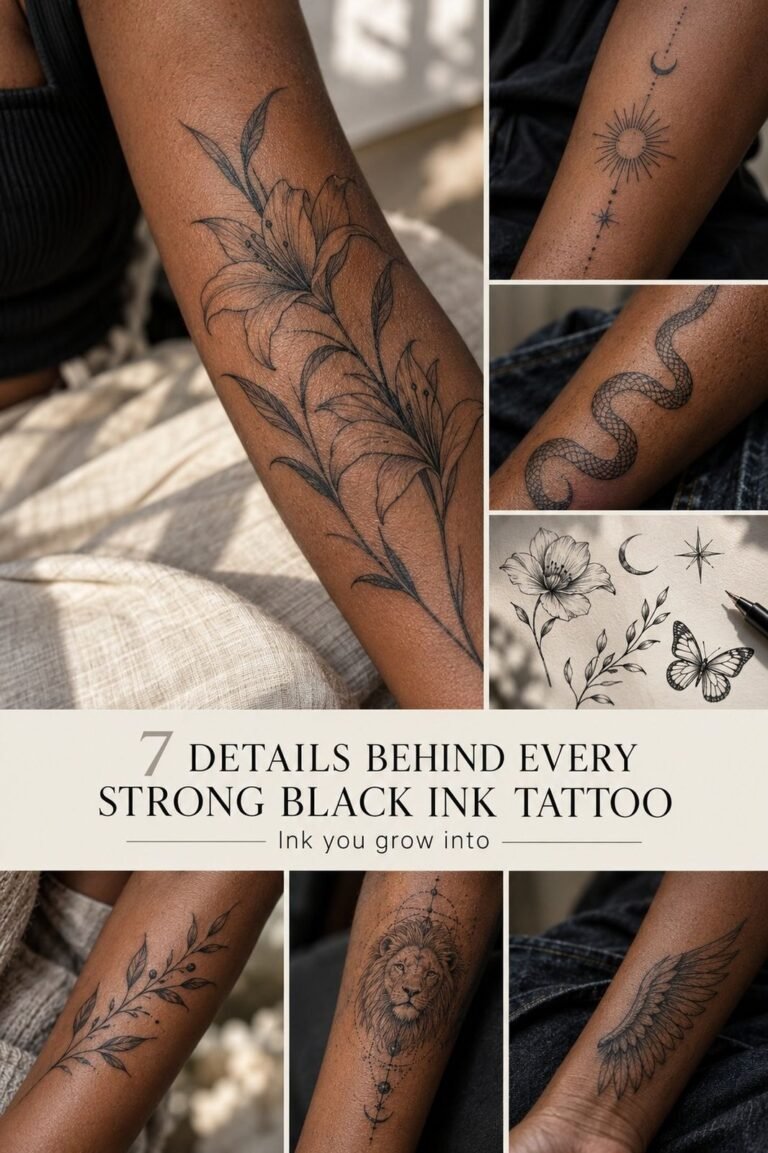
Baddie tattoos run a few distinct directions. Fine line blackwork, think delicate script, micro-roses, and wispy butterflies, stays popular for wrist, collarbone, and sternum placements. Bold black and grey portraiture or snarling animal pieces hit different on a thigh or upper arm where there’s real canvas. Ornamental work, geometric mandalas and dotwork lace patterns, reads clean on the forearm and shin.
Color saturated pieces in neon or pastel palettes are having a moment too. Those need artists who can pack pigment properly because thin color heals patchy fast. Whip shading on roses and claws gives movement without heavy fill. Pick a direction first, then find an artist who specializes in exactly that style. A fine line artist doing bold tribal is not your person.
What makes this work on real skin
The attitude is in the placement, wear it where it cannot be ignored.
A baddie tattoo should still pass the aging test. Trendy placement does not protect weak linework.
If the design is visible, think through jobs, family, clothing, and whether you will still like the statement without the outfit around it.
Skin tone, texture, and body fat distribution all change how a design reads. Intricate fine line pieces on darker skin tones need an artist experienced with higher contrast linework because light gray ink disappears. On softer tissue areas like the inner arm or stomach, tight linework can spread during healing, lines that started at 0.5mm can read thicker after two weeks.
Placement affects aging hard. The hand, finger, and foot zones are high-wear. Friction and sun exposure break ink down faster there, expect touchups every two to three years. The upper back and outer thigh are low-wear, designs hold color and crispness for over a decade with basic sunscreen habits. Solid black fills age better than color gradients on every body zone, no exceptions.
Before you book or apply it
Choose the placement with the same seriousness as the design.
- Check visibility in normal clothes.
- Ask if the design needs more size.
- Ask about fading for hands and fingers.
- Use healed examples, not only fresh photos.
Moisturize the area daily for at least two weeks before your appointment. Dry, flaky skin makes linework harder to execute clean and it scabs heavier. Shave the spot 24 hours out, not day-of, fresh razor burn under a needle is its own bad time. Eat a real meal before you sit, blood sugar crashes during longer sessions and artists hate catching people who go pale.
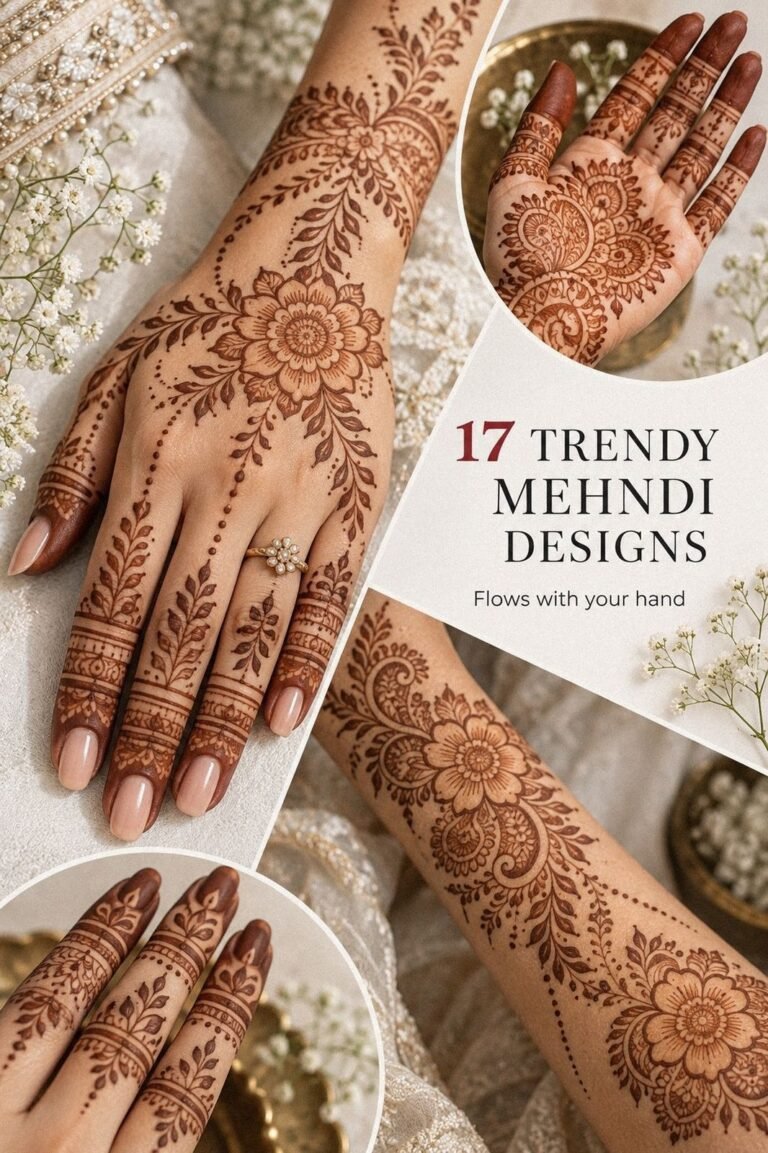
For henna, patch test 48 hours before full application, especially with black henna which contains PPD and can cause chemical burns. Natural red-brown henna is lower risk but still test it. If you’re doing a real tattoo consult, bring reference photos and be honest about your pain tolerance. Ribs, spine, and sternum are genuinely spicy. Knowing that ahead of time lets you plan session length right.
Mistakes to avoid
Do not choose a painful or visible placement just because it photographs well.
Do not overload a small sternum or rib tattoo with too many symbols.
Going too small on detailed designs is the most common mistake. A micro-portrait or a tiny mandala with fine internal lines will blur into a blob within five years. Anything under an inch with interior detail will not hold. If you love tiny placements, go with simple bold shapes or single-needle script from an artist who does that specifically. Complexity needs space.
Skipping artist research because the price is low will cost you more in cover-up work later. A blowout on the wrist or a patchy color fill on the thigh is expensive to fix and sometimes impossible to fully correct. Check healed photos, not fresh ones, on their portfolio. Fresh ink always looks sharper. Healed work shows you exactly what you’re actually buying.