
Planning hub
Tattoo Planning
A good tattoo starts before the stencil. This hub connects the practical Tattoo Style Guide articles on first tattoos, artist selection, consultations, deposits, pricing, tipping, pain, prep, red flags and what to bring to the appointment.
Plan the appointment like the tattoo matters
Most bad tattoo decisions happen before the needle touches skin: wrong artist, rushed deposit, unclear budget, unrealistic size, weak reference, or a placement chosen only because it looked good in a cropped photo. Planning does not make the tattoo less personal. It gives the personal idea a better chance to heal well.
Use this page as the practical path. Start with the first-tattoo and placement guides, then move into artist portfolio review, consultation questions, cost, tipping, prep, and aftercare.
Curated by Jules Ortiz, this hub keeps the advice practical: what to ask, what to avoid, and how to walk into the studio with fewer surprises.
These guides help you choose a practical first piece and avoid rushing into the wrong placement or artist. First tattoo ideas that are small, meaningful, easy to place, and realistic to heal. First-time tattoo questions answered without hype, from pain and price to artist choice and aftercare. Tattoo ideas by personality can help narrow style, scale, placement, and symbolism before booking. A tattoo placement chart by pain, visibility, fading, aging, work coverage, and first-tattoo friendliness. A first-timer guide to the least painful tattoo placements and the spots that usually feel harder. Most painful tattoo spots and the planning moves that make them easier to handle. A strong reference cannot save the wrong artist. Use these guides before you pay a deposit or sit down for a walk-in. A practical guide to choosing a tattoo artist by healed work, hygiene, style fit, pricing, and consultation red flags. Reading a tattoo portfolio means looking past the best fresh photos and checking healed work, consistency, and fit. The right tattoo questions save money, prevent regret, and reveal whether an artist is the right fit before you book. A tattoo consultation should turn a rough idea into a realistic plan for design, size, placement, and cost. Tattoo deposits protect the artist’s time and lock in the appointment, but policies vary by studio. Walk-in tattoos work best for simple designs, flash, and flexible clients who understand studio limits. Tattoo red flags usually show up before the needle: poor hygiene, vague pricing, weak portfolio, pressure, or bad aftercare advice. Budget, prep and session logistics affect the outcome more than people expect. A practical US tattoo cost guide by size, style, placement, hourly rate, shop minimum, deposit, and tip. A practical US guide to tattoo tipping by session price, service, redraws, touch-ups, and budget. A tattoo appointment goes better when you prepare your body, references, schedule, clothing, and aftercare plan before the session. Bring the practical things that keep the appointment smooth: ID, payment, references, water, snacks, and the right clothing. Eating before a tattoo helps with stamina, nerves, and long-session energy, especially for painful placements or larger work. Tattoo numbing creams should be discussed with the artist and used cautiously because misuse can be dangerous.Start here: first tattoo decisions
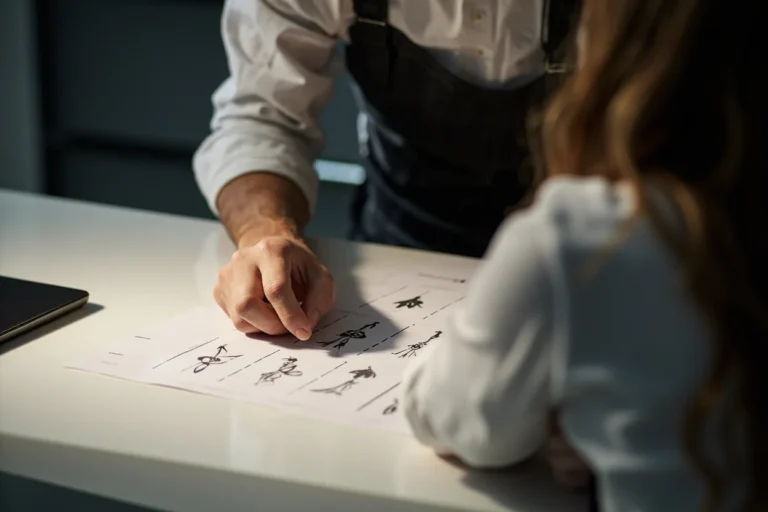
First Tattoo Ideas: Small, Meaningful and Easy to Place
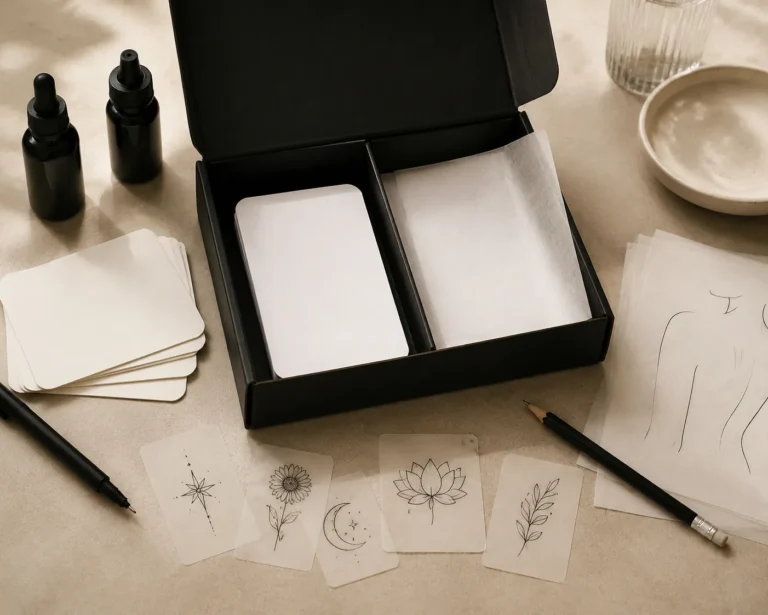
Tattoo FAQ for First-Timers

Tattoo Ideas by Personality: Quiet, Bold, Dark, Romantic and Minimal
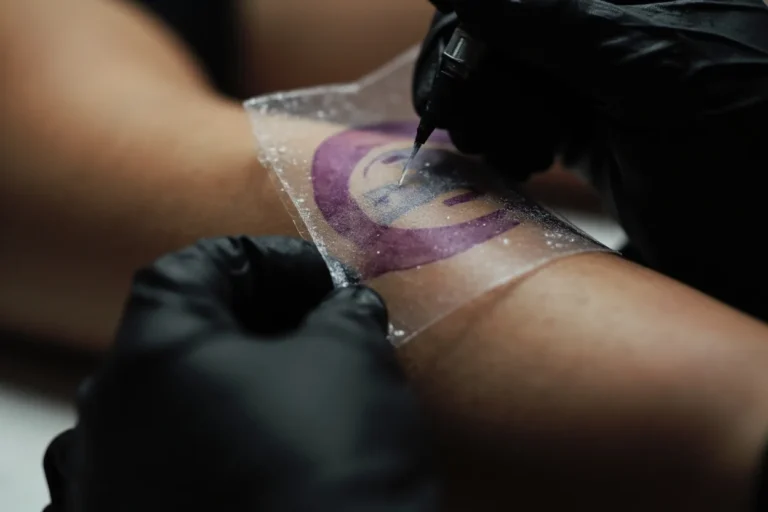
Tattoo Placement Chart: Pain, Visibility, Aging and Best Spots
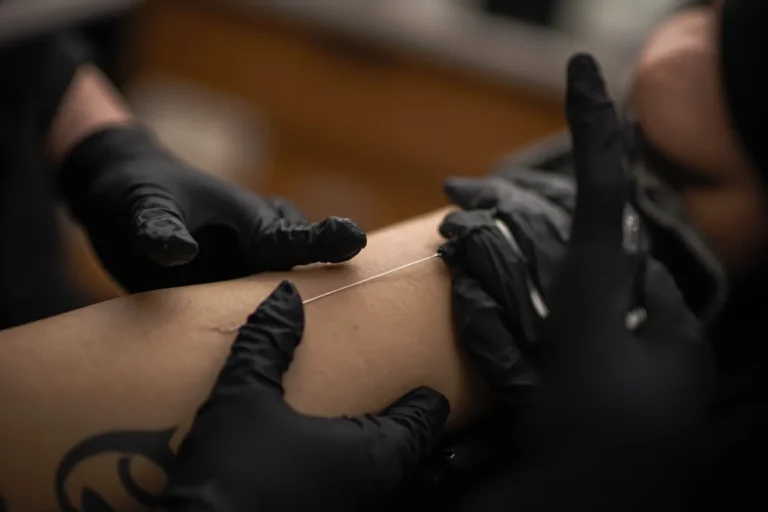
Least Painful Places to Get a Tattoo: Better Spots for First-Timers
Most Painful Tattoo Spots and How to Prepare
Artist, consultation and studio checks
How to Choose a Tattoo Artist: Portfolio, Hygiene, Pricing and Red Flags

How to Read a Tattoo Portfolio
What to Ask a Tattoo Artist Before Booking
Tattoo Consultation Guide
Tattoo Deposit Guide
Walk-In Tattoo Guide
Tattoo Red Flags: Studio, Artist and Aftercare Warning Signs
Cost, tipping and appointment prep

How Much Does a Tattoo Cost in the US? Prices by Size, Style and Session
How Much to Tip a Tattoo Artist: US Etiquette by Session Price

How to Prepare for a Tattoo Appointment
What to Bring to a Tattoo Appointment
What to Eat Before a Tattoo Appointment
Tattoo Pain Numbing Cream Guide
Planning is part of the design
If an idea only works when rushed, copied or squeezed into a tiny placement, it is not ready. Slow planning usually produces tattoos that look more intentional and age with less regret.