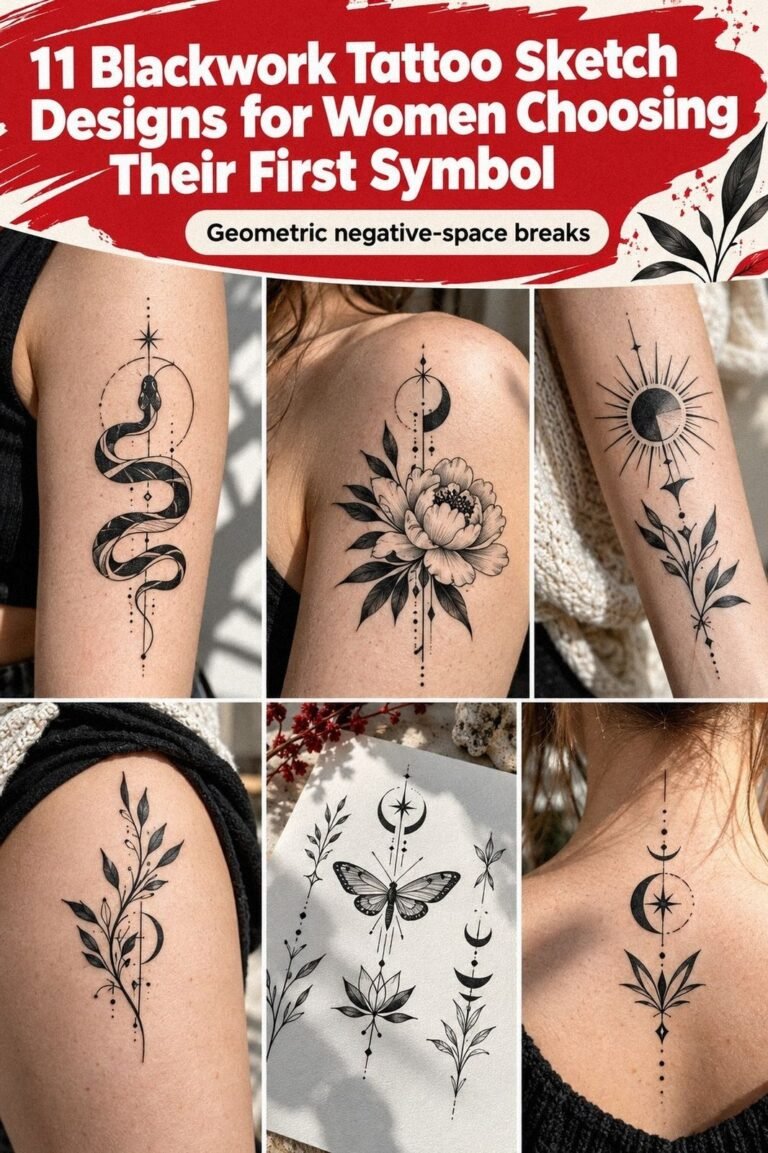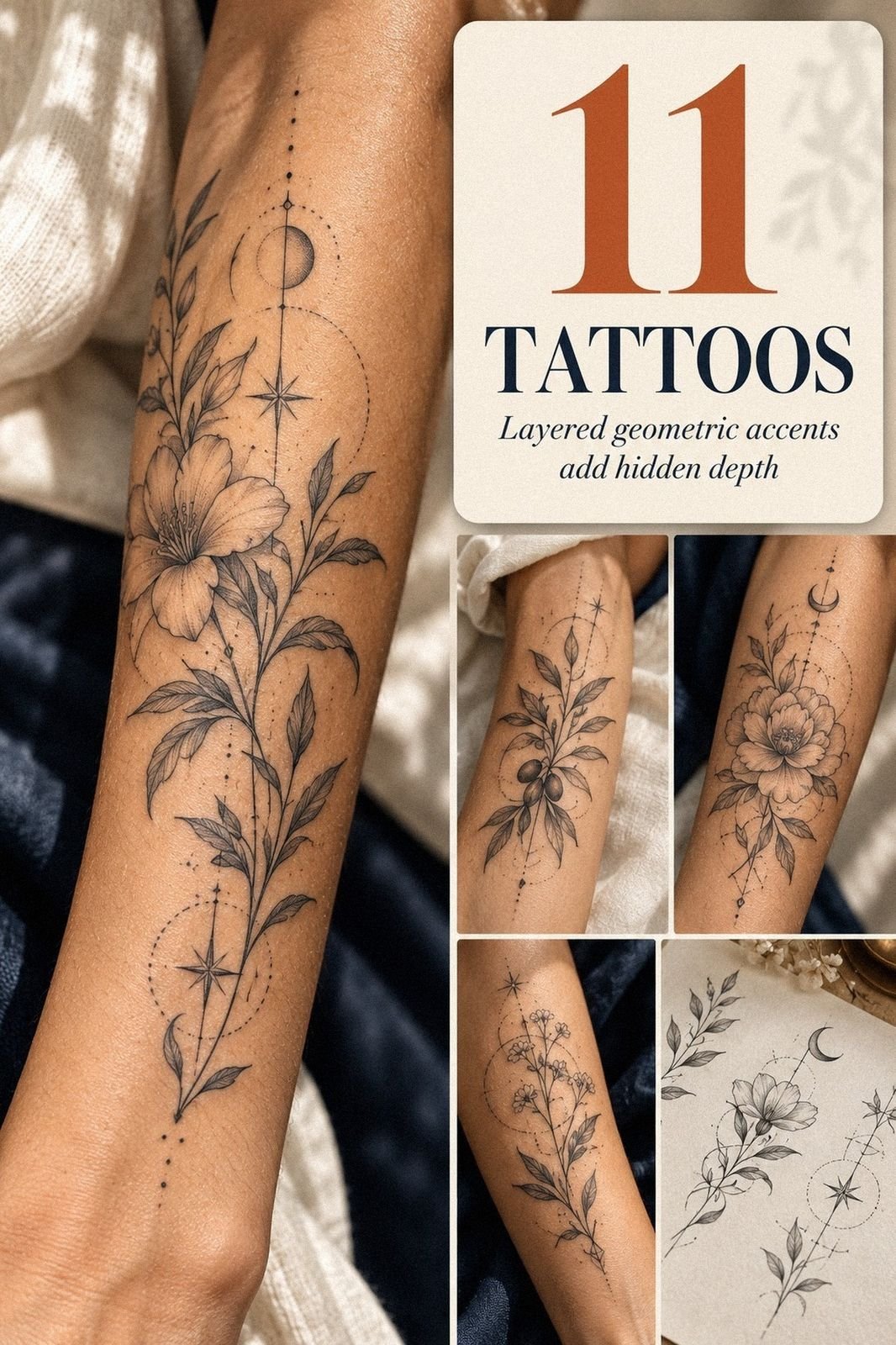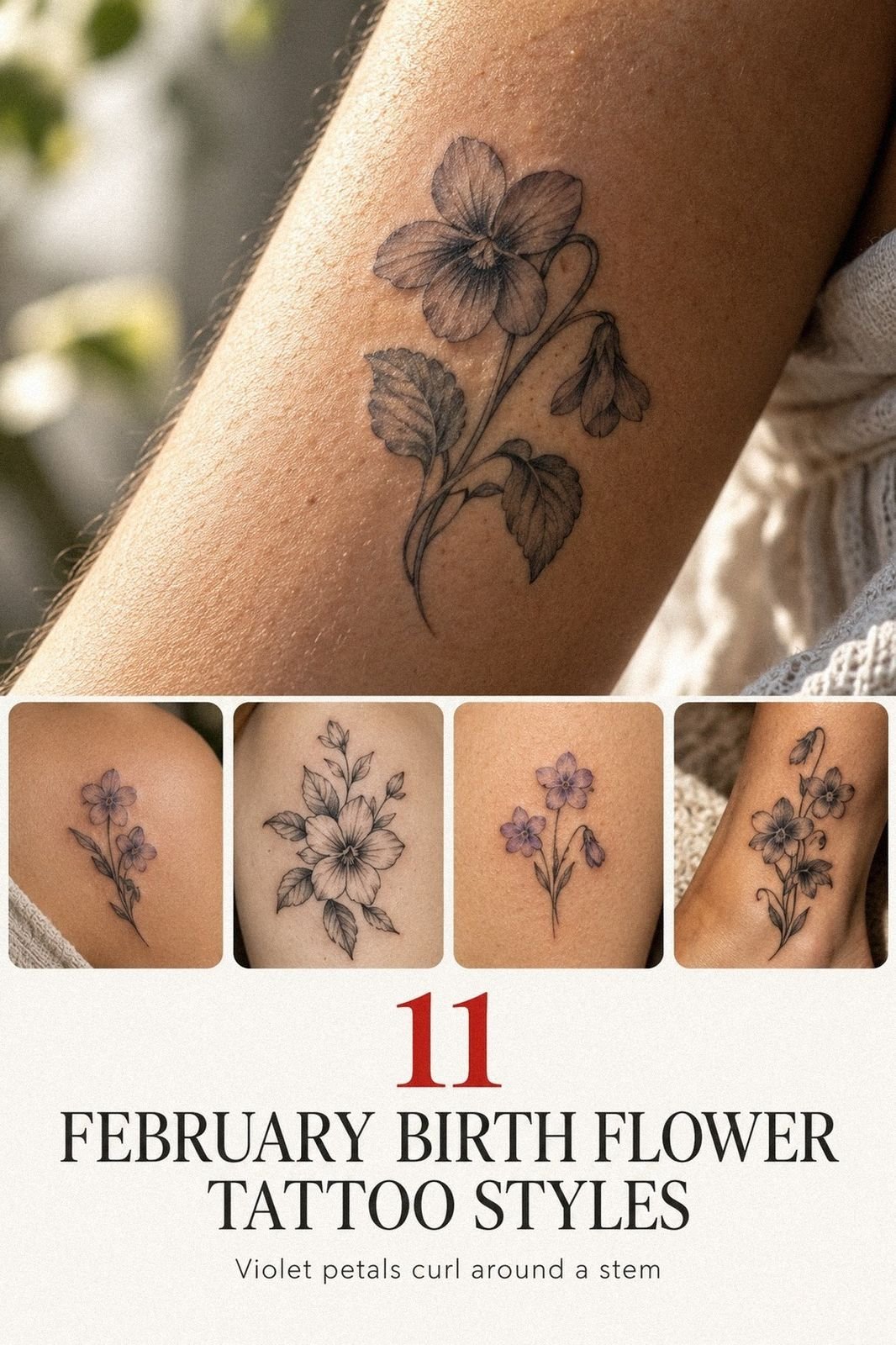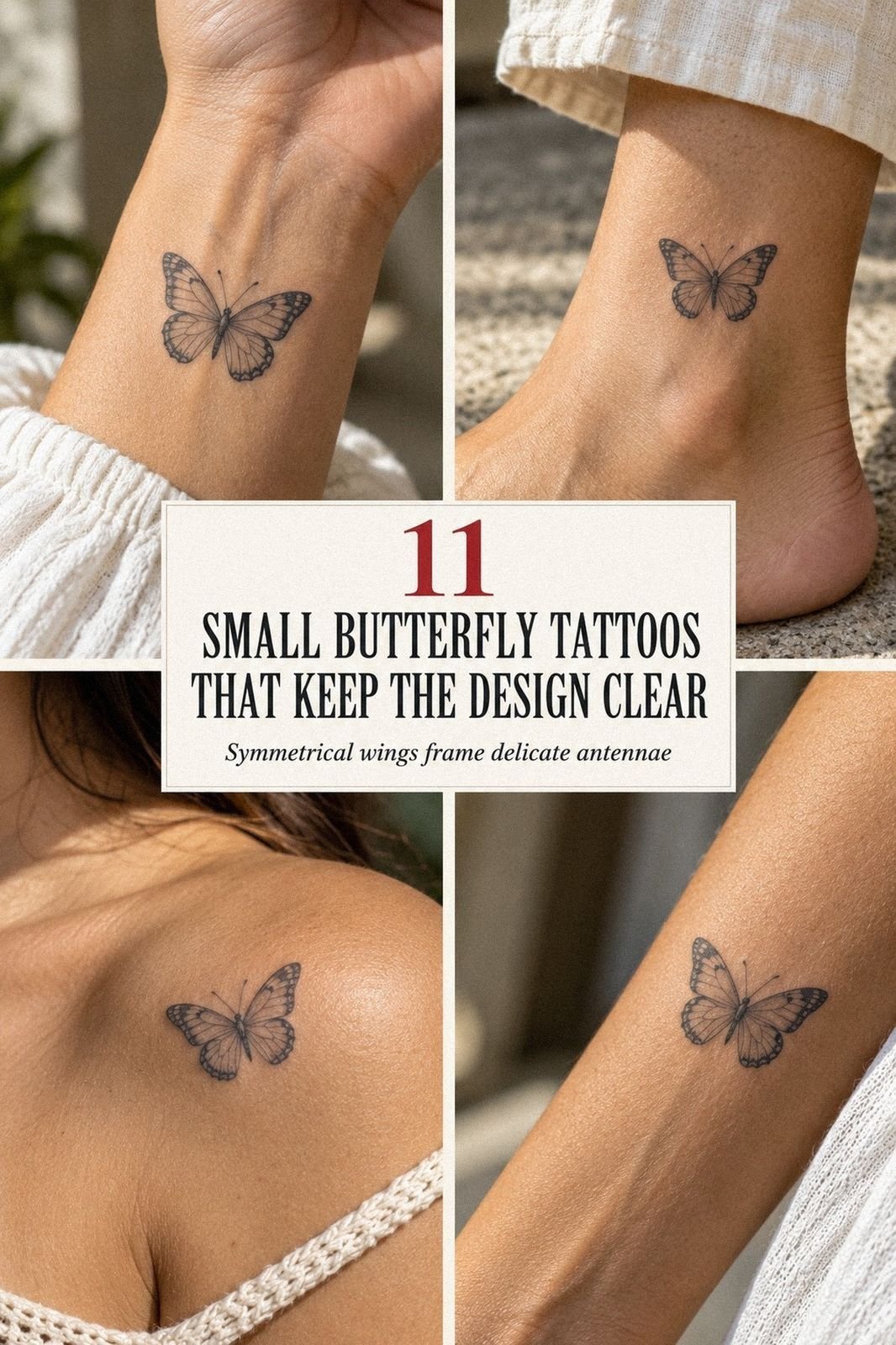
Geometric mandala tattoo work can read clean for years if you size it right on day one. I almost bailed on mine the week I turned 30 because the first draft looked too tight, too clever, and destined to turn to soup by year two. Then I slowed it down, opened the skin with a 3RL, and the whole piece locked in. Forearm was always the plan for this one, and the rest of the ideas below come from client work and reference cases I’ve tattooed across spines, ribs, collarbones, shoulders, and thighs on every skin tone in the studio.
Is a geometric mandala tattoo worth the real cost?
Honestly, yes, more than almost any other large custom work I do, but only if you commit to the right artist and the right size. The most expensive mistake I see is going too small.
A geometric mandala tattoo under about 3 inches will lose its outer ring and the center will mush together as it heals, which means you’ll be paying for a touch-up or a cover-up inside two years. A medium placement piece, around 4 to 6 inches, sits in that sweet spot where the lines stay crisp and the negative space still reads.
The next big commitment is the artist. Geometric work punishes sloppy linework harder than almost any other style.
One wobbly pull on a radial spoke, and you’ll see it every time you look at the piece for the rest of your life. I’m biased, but if you can’t tell whether your artist’s portfolio shows healed photos or just fresh black, keep shopping.
A solid geometric tattoo guide helps you read a portfolio for line confidence and consistency.
What’s the single highest-impact choice before the needle ever hits?
Sizing, not the design. I watch clients spend three weeks perfecting a reference image and then ask the artist to squeeze it onto a wrist.
That’s the move that kills the tattoo. Black is your best friend for longevity, but only if the smallest gaps are wide enough to survive spread, sun, and real life. A 3RL needle grouping is the floor for crisp outlines on a mandala, and anything tighter than about 2 mm of clear space between shapes is gambling with the heal.
That’s the design choice I’d push hardest on: gap width, not petal count. More detail is not the same as more design.
If you nail gap width and outer ring thickness on day one, the rest of the piece has a chance to age cute on you instead of turning to soup. Compare this thinking against the way I read a geometric realism tattoo reference, where contrast and negative space do most of the heavy lifting too.
Here’s what it looked like before: The Blank-Skin Test
Before I committed, I could see exactly why I hesitated. The patch of skin I was saving had good flow, but the first concept sat stiff and overbuilt, like it wanted to prove how smart it was instead of how well it would heal. If you have ever stared at a stencil and felt your gut pull back, listen to that feeling.
Blank skin is honest. It doesn’t flatter bad geometry.
When I held the first draft against my inner forearm in the mirror, the center point was fine, but the outer marks crowded the edges and killed the calm. That was my cue to step back, compare it with my own geometric tattoo guide references, and redraw before any needle touched skin.
- I Chose A Radial Mandala Spine Layout (Client Piece, Fair Cool-Pink Skin)
- I Sketched The First Geometric Tattoo Pattern (Behind-the-Ear, Small Placement)
- I Tested A Dot Work Mandala Center (Thigh, Medium Olive Skin)
- I Added Sacred Geometry Around The Core (Forearm Wrap, Golden Tan Skin)
- I Built Symmetry With Fine Black Lines (Flash Sheet Stage)
- I Placed The Mandala Between Shoulder Blades (Deep Ebony Skin, Healed Look)
- I Sized The Stencil For Clean Aging (Outer Forearm, Fair Cool-Pink Skin)
- I Picked Negative Space Over Heavy Fill (Spine, Medium Warm Ivory Skin)
- I Added Ornamental Mandala Petal Layers (Collarbone, Medium Olive Skin)
- I Checked Flow Against Natural Back Muscles (Upper Back, Golden Tan Skin)
- I Simplified Tiny Triangles Before Tattooing (Collarbone, Deep Brown Skin With Warm Undertone)
- I Used Dot Shading For Soft Depth (Ribs, Deep Ebony Skin)
- I Kept The Outer Ring Crisp (Forearm, Fair Cool-Pink Skin, Healed Look)
- I Matched Line Weight Across Every Section (Upper Arm, Medium Warm Ivory Skin)
- I Paused Before Adding Blackwork Accents (Flash Sheet)
- I Wrapped The Pattern Around The Forearm (Golden Tan Skin)
- I Protected The Mandala During Healing (Inner Forearm, Deep Brown Skin)
- I Checked Symmetry After The First Peel (Ribs, Deep Ebony Skin, Healed Look)
- I Planned A Future Geometric Sleeve Extension (Fair Cool-Pink Forearm)
1I Chose A Radial Mandala Spine Layout (Client Piece, Fair Cool-Pink Skin)
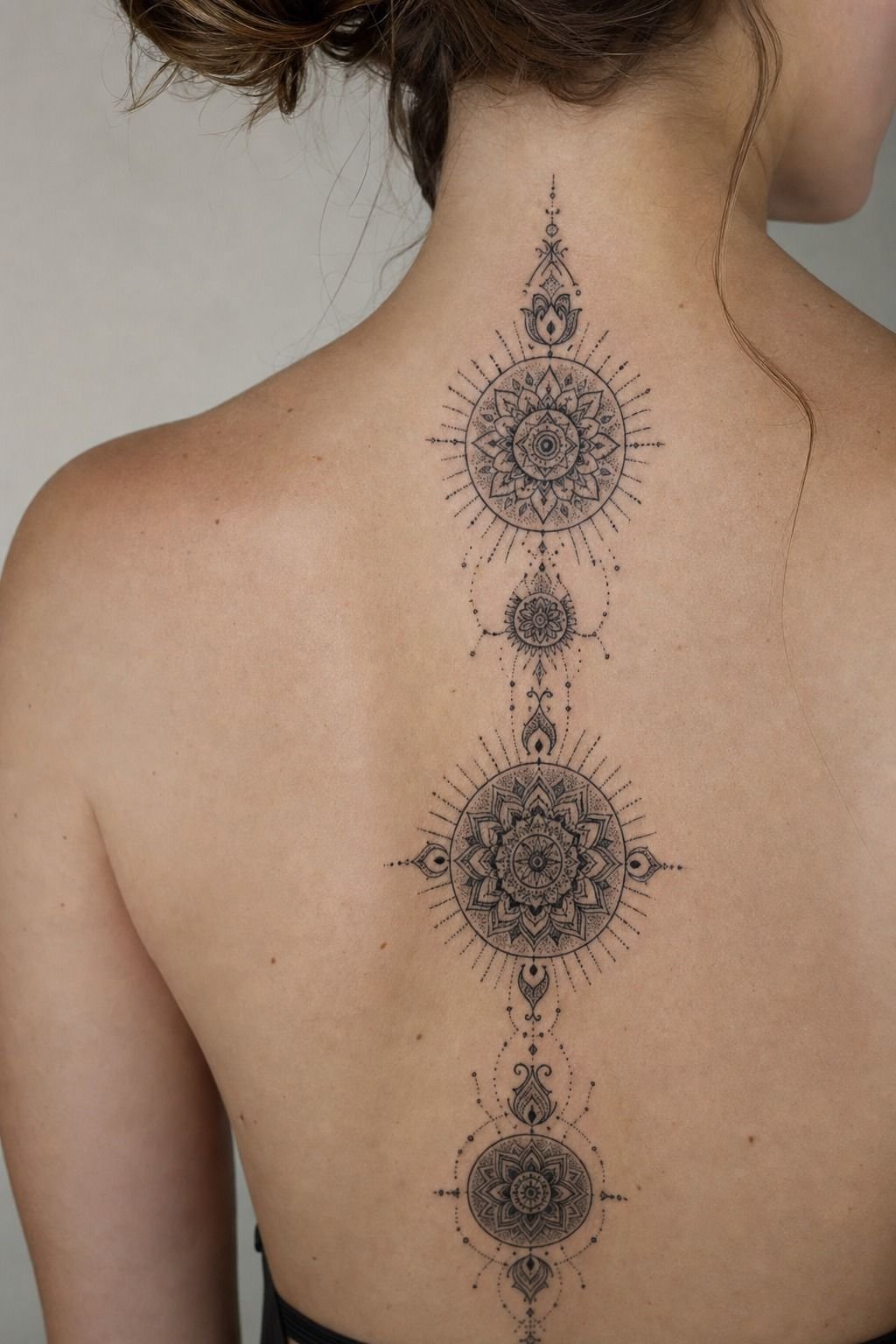
A regular client of mine wanted her first large geometric piece on the spine, fair cool-pink skin, no prior tattoos. The radial layout works there because you get a central axis for free before you chase any detail. A clean black mandala running from the base of the neck toward mid-back reads crisp fast, especially when the petals radiate evenly off that vertical line.
The mistake she almost made was going wide. We pulled the widest points back to about 4.5 inches so the petals stayed open, and let the negative skin hold some of the contrast instead of forcing heavy fill. The real win was placement: a spine layout gives you symmetry for free if you respect the line, and that means the tattoo still reads at a glance after the first year.
2I Sketched The First Geometric Tattoo Pattern (Behind-the-Ear, Small Placement)
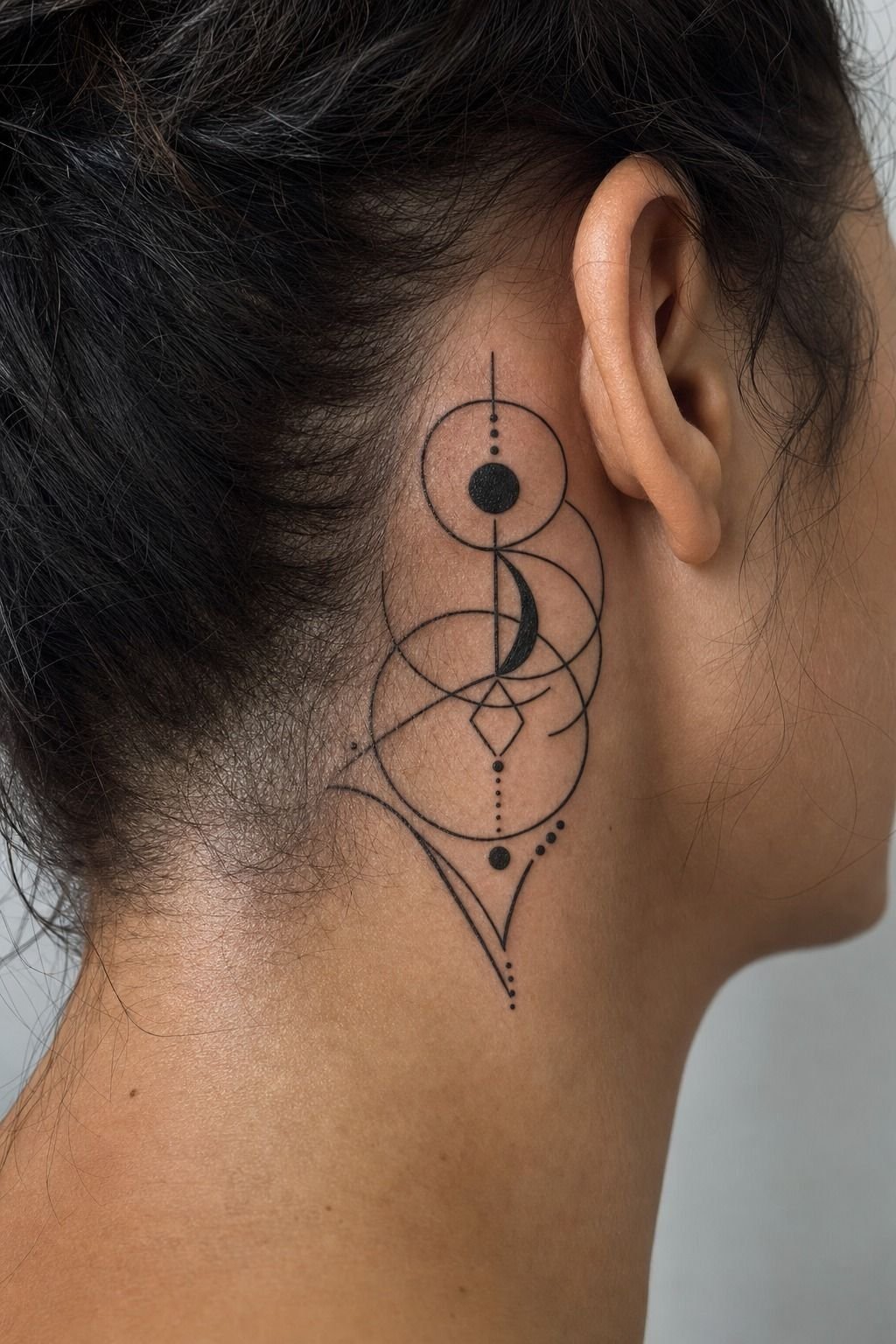
A first-time client brought me a behind-the-ear geometric tattoo pattern reference, medium warm ivory skin, no ink anywhere else. It looked slick in her screenshot but only worked if every angle survived a tiny footprint. If you’re tempted by a small placement like that, draw it bigger first, then reduce.
You will see the weak lines immediately.
I used a Micron 05 and blocked the structure with a simple ring, then tested how much pattern I could lose without losing the point. That’s the part most people rush.
Crispy lines are planned before they’re tattooed, and a single 3RL pass beats ten fuzzy ones. Before you book, study a portfolio the way you’d study a how to select a tattoo guide: look for healed photos, not just day-one black.
3I Tested A Dot Work Mandala Center (Thigh, Medium Olive Skin)
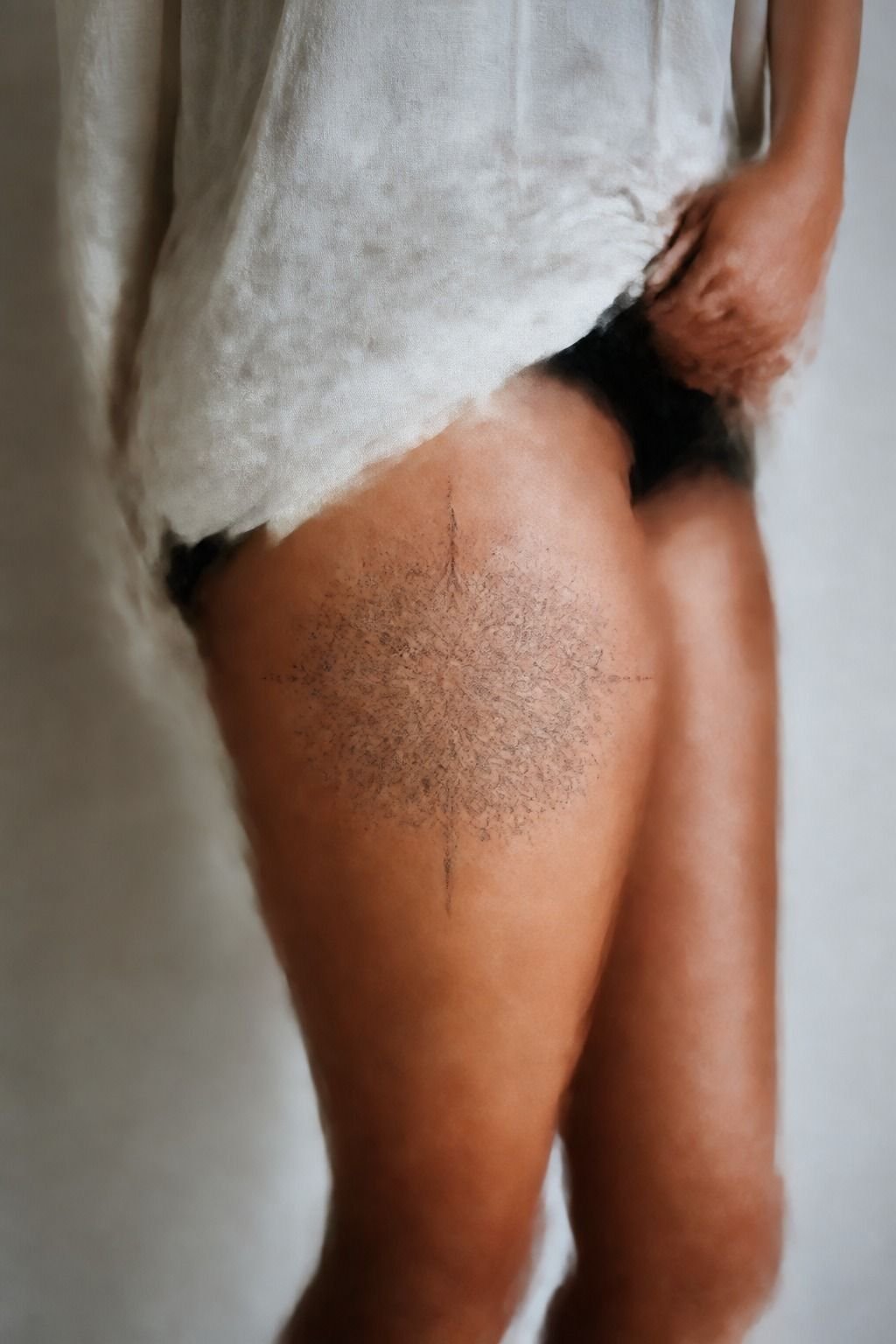
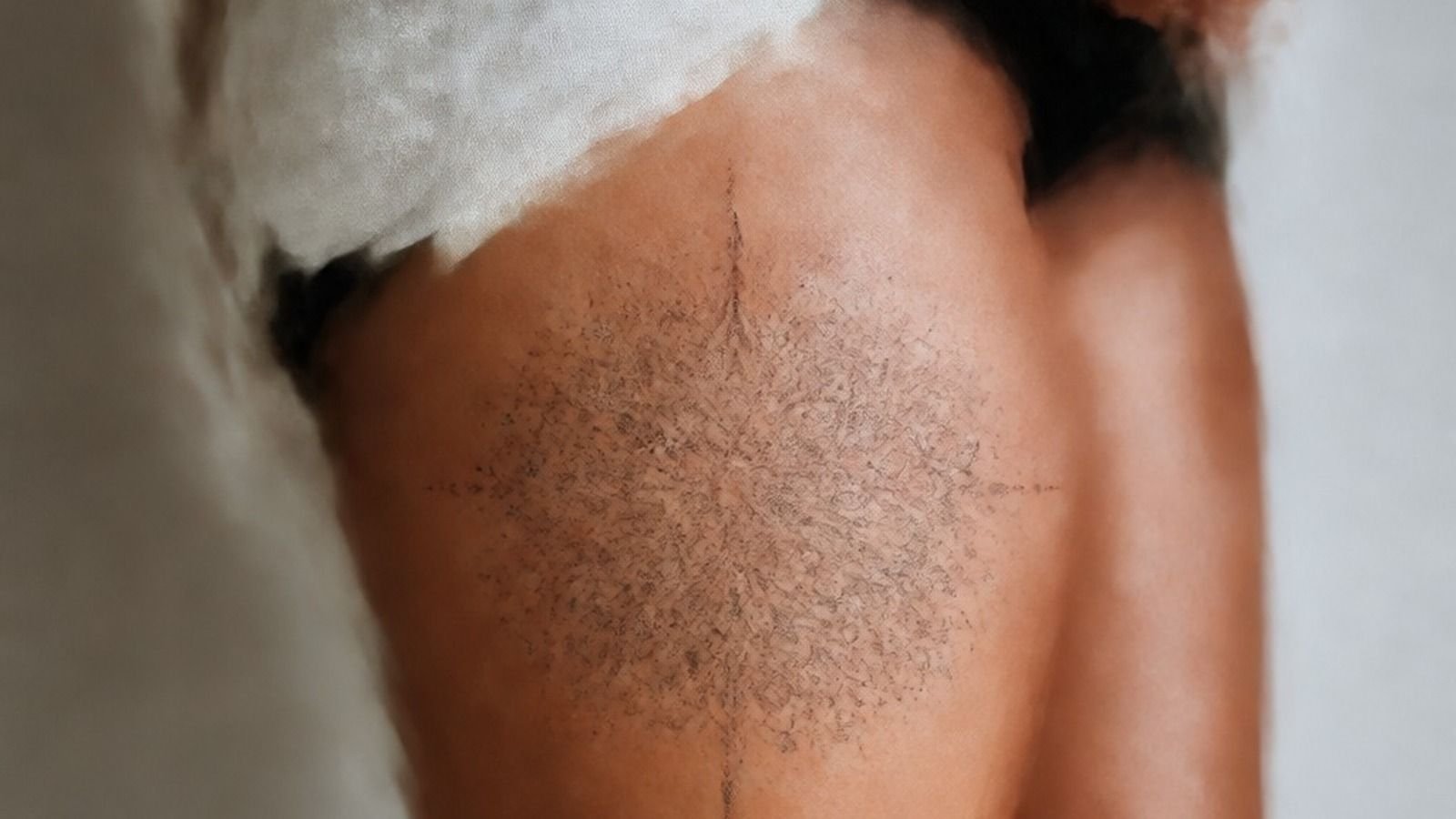
A walk-in client, medium olive skin, asked for a dot work mandala center on her outer thigh. Dot work changed the whole mood of the center.
A soft field of dots lets the middle breathe while still giving you depth, and it ages nicer than a packed grey center at the same scale. You want contrast that heals velvety, not patchy, and that comes from spacing, not from density.
I tested the center with wider dot spacing first, then tightened only the zones that looked flat. You can always add more texture later.
You cannot un-chew skin that has been overworked, and overwork is the fastest way to scar a thigh piece. The thigh is a great place to learn what you like because it’s low-wear and usually less spicy than ribs or sternum. If pain is part of your decision, the does forearm tattoo hurt guide lays out the same logic for a more visible zone.
4I Added Sacred Geometry Around The Core (Forearm Wrap, Golden Tan Skin)
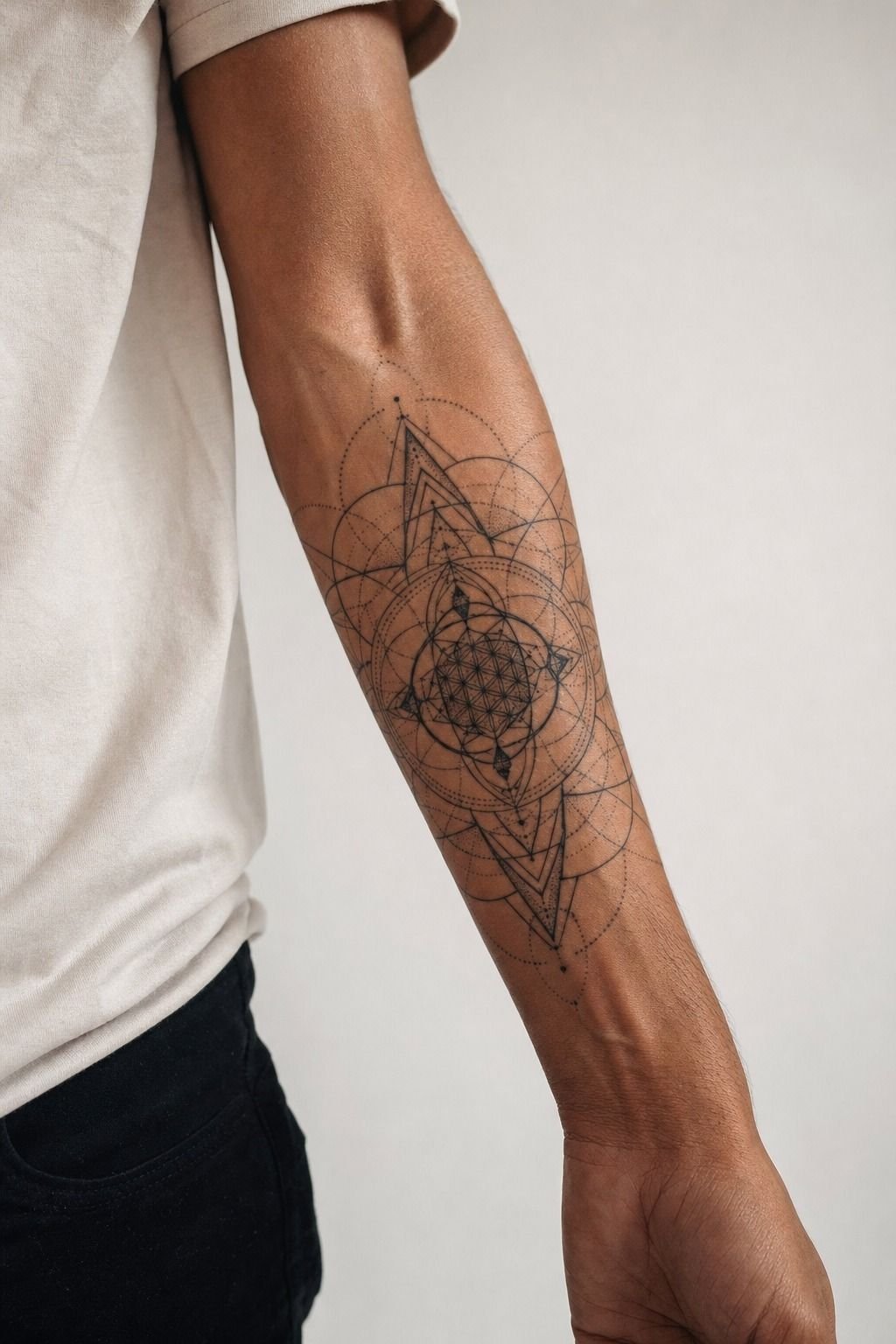
Once the center felt solid on a different client’s forearm, I added sacred geometry that wrapped the arm instead of sitting like a sticker. Golden tan skin handles sharp black linework beautifully when the pattern respects the turn of the muscle, so I let the geometry travel with the body instead of forcing a flat front-facing badge. That’s how you keep a forearm piece from looking pasted on.
My rule is simple: one anchor shape, two support shapes, then stop. I used a Cheyenne 3RL for the framework and left enough open skin between rings so you could still read the core from a few feet away.
If you overbuild sacred geometry, the eye gets lost. Bold will hold, and one strong outer ring beats three busy rings every single time.
5I Built Symmetry With Fine Black Lines (Flash Sheet Stage)
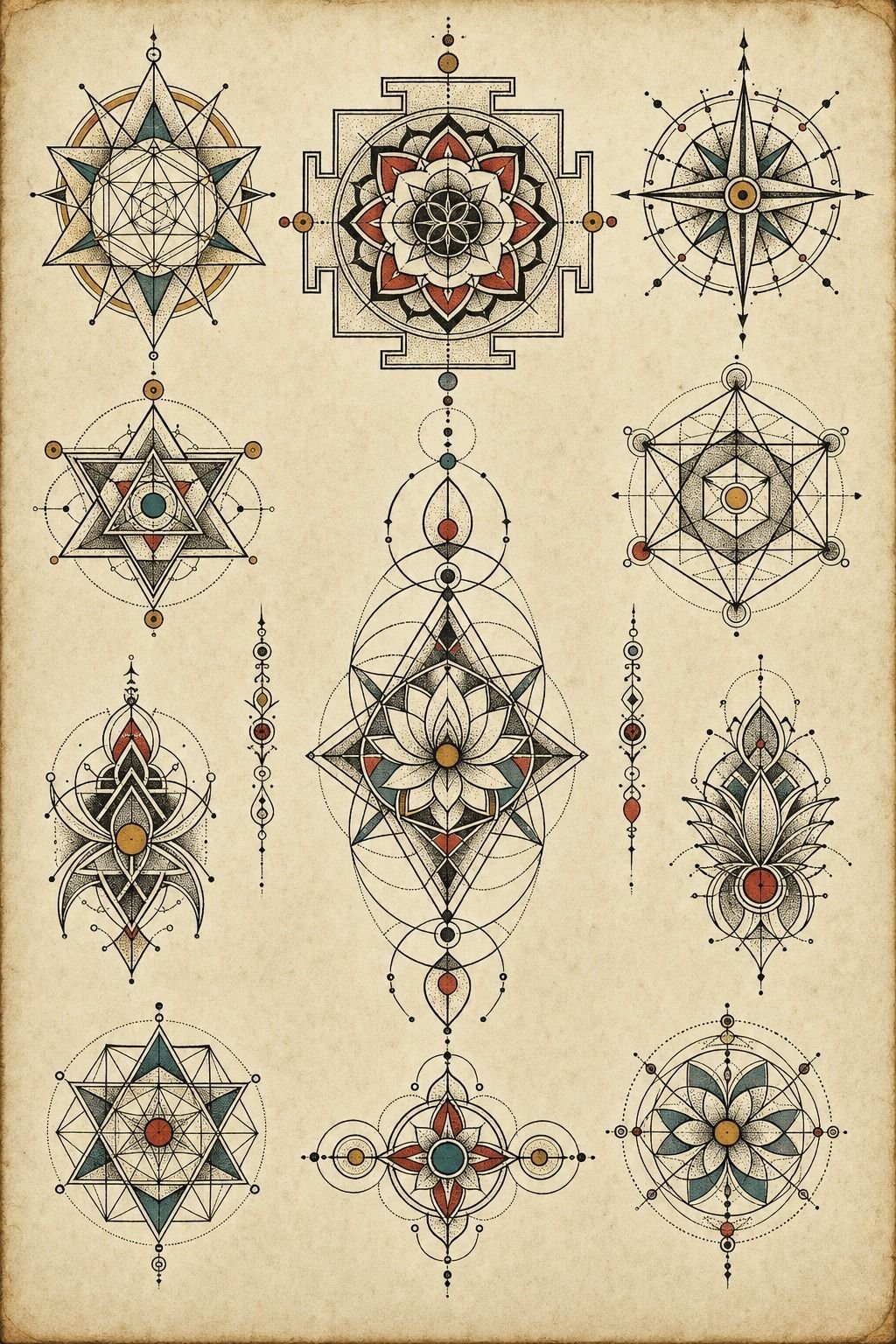
This is the flash-sheet stage, and it forces discipline. Seeing several hand-drawn versions of the same motif on aged off-white paper makes the weak options obvious, fast.
Symmetry is not about perfection theater. It’s about whether the lines feel confident and whether the gaps repeat with intention.
I build mine with fine black lines first because bold fill can hide sloppy structure for about ten minutes, then healing tells on you. So I check ring against ring, petal against petal, and make sure each spoke could stand alone.
I also ditch one version that looked too busy near the outer edge. Pretty on paper, not good on skin.
That call saved the tattoo later. If you’re drawing your own flash, the how to draw tattoo flash guide walks through the clean-line discipline that makes this step less painful.
6I Placed The Mandala Between Shoulder Blades (Deep Ebony Skin, Healed Look)
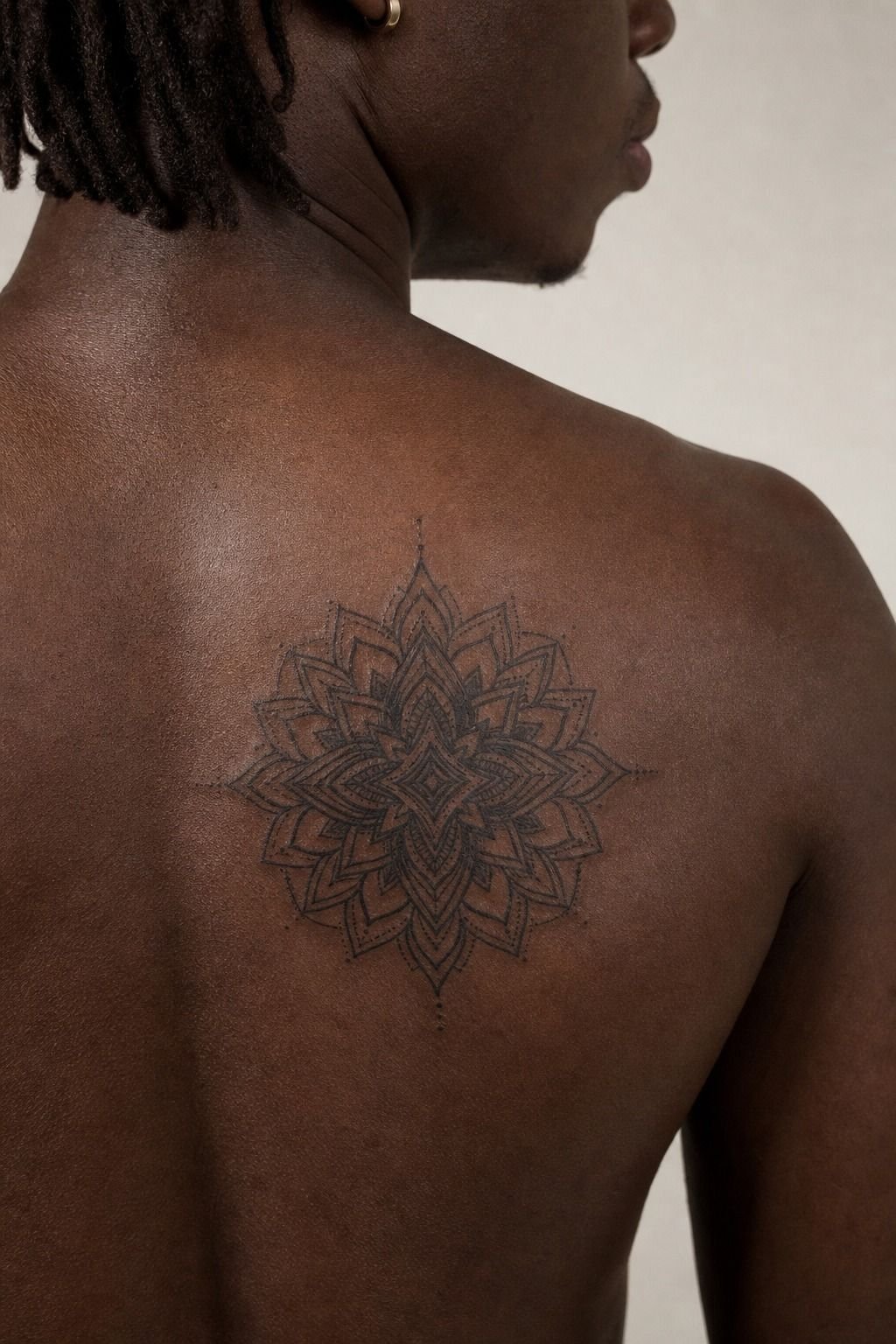
A client with deep ebony skin wanted her mandala between the shoulder blades. On darker tones, black geometric work looks best when you push shape clarity over fussy micro detail, so I centered the mandala high enough to catch the shoulder movement but low enough to avoid bunching at the base of the neck. You want the pattern to sit with the body, not fight it.
I also widened the petal spacing because tighter little cuts can disappear once the skin settles. That’s a lesson collectors do not always hear early enough. If you’re still deciding between placements, compare healed examples in American traditional tattoo outlines and notice which ones still look calm, not crowded, at the five-year mark.
7I Sized The Stencil For Clean Aging (Outer Forearm, Fair Cool-Pink Skin)
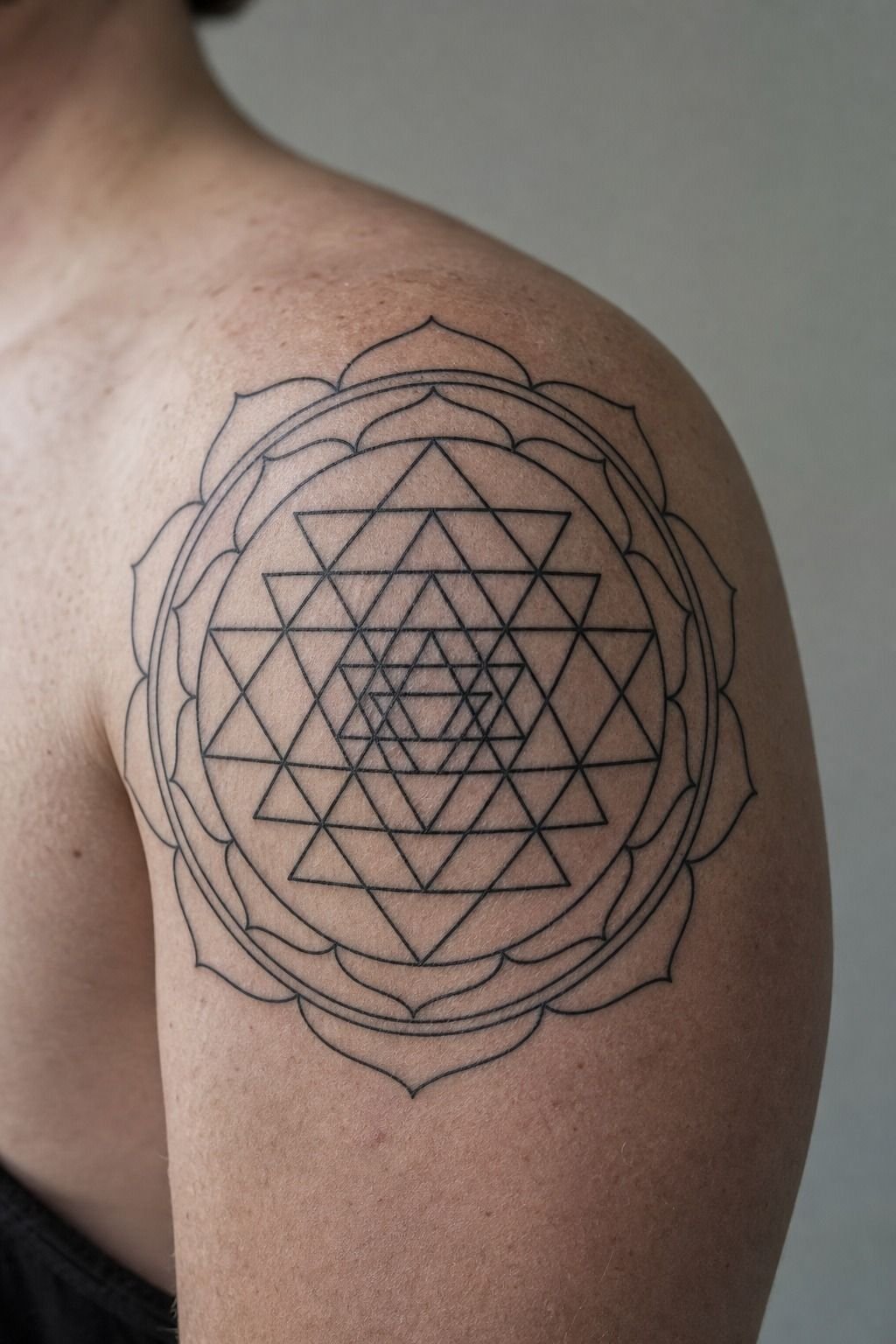
Stencil sizing is where people either think long-term or they don’t. On a fresh shoulder macro, every line looks sharper than it will after healing, so I sized the stencil with future spread in mind. If your smallest gaps are under about 2 millimeters, you are gambling, especially with a dense geometric pattern.
I bumped my own design up just enough that the outer triangles had cleaner clearance and the center circle did not choke. Maybe half an inch overall.
That tiny increase was the difference between elegant and soup. If an artist will not talk sizing with you in plain language, I would keep shopping. You need someone who thinks about year three, not just day one.
The how to print tattoo stencils guide is also worth a read if you’re prepping your own reference.
8I Picked Negative Space Over Heavy Fill (Spine, Medium Warm Ivory Skin)
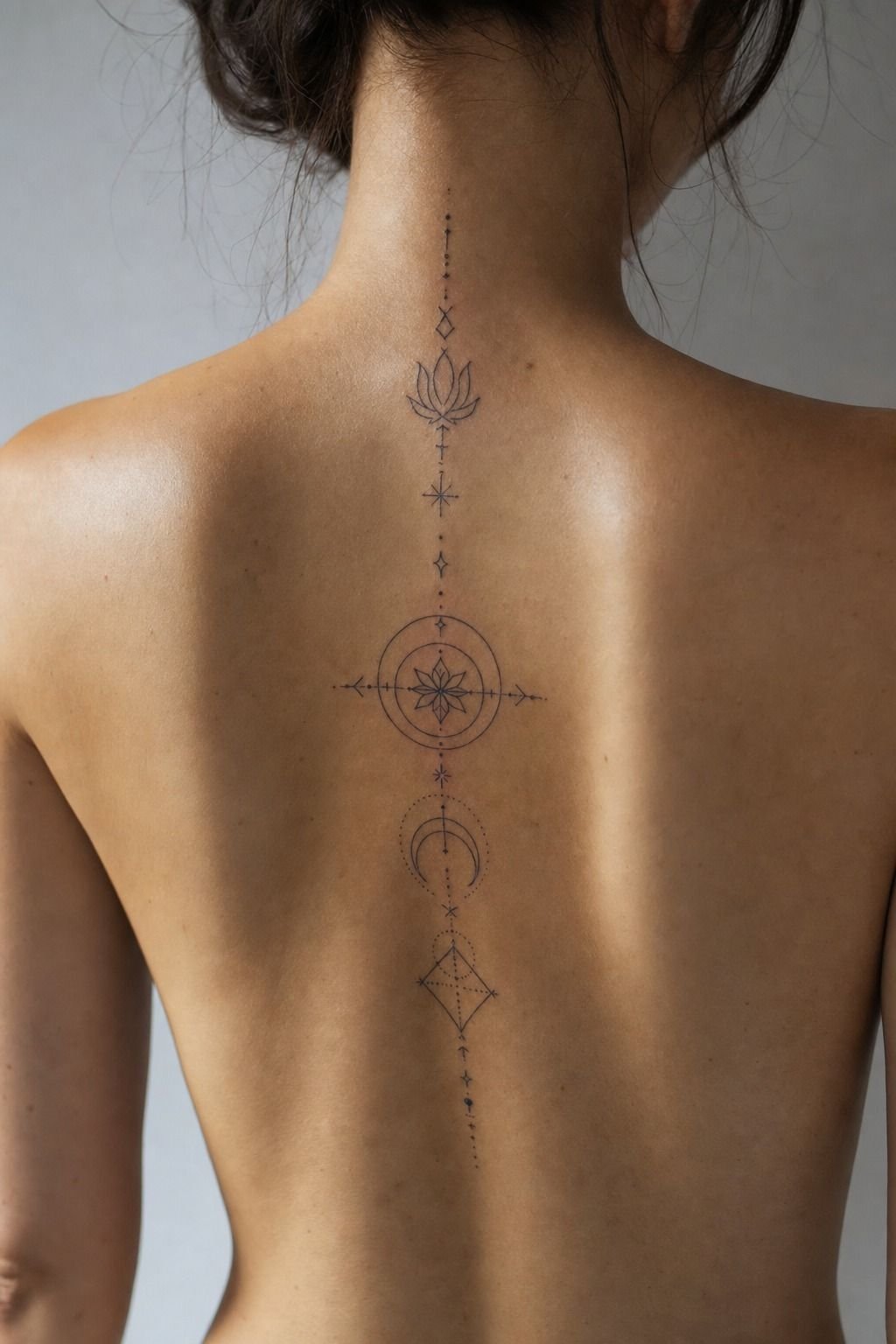
This is the one fix that quietly saved my own forearm piece, and I see the same mistake on spines all the time. Heavy fill on a geometric mandala looks impressive on day one, then the swelling fades and the design flattens into a black blob with no breathing room. Negative space is the move when you want a piece to read from across the room in five years.
On a client’s spine piece, medium warm ivory skin, we cut the inner grey wash down by about a third and widened every gap. The tattoo healed soft, the contrast popped harder than the original heavy version, and the petals still read from ten feet away.
Black is your best friend for longevity, but open skin is the part nobody respects enough. If you want a clean framework for thinking through this on your own piece, start with the typical tattoo cost guide so you understand what artists actually charge for the extra stencil time this kind of redraw takes.
9I Added Ornamental Mandala Petal Layers (Collarbone, Medium Olive Skin)
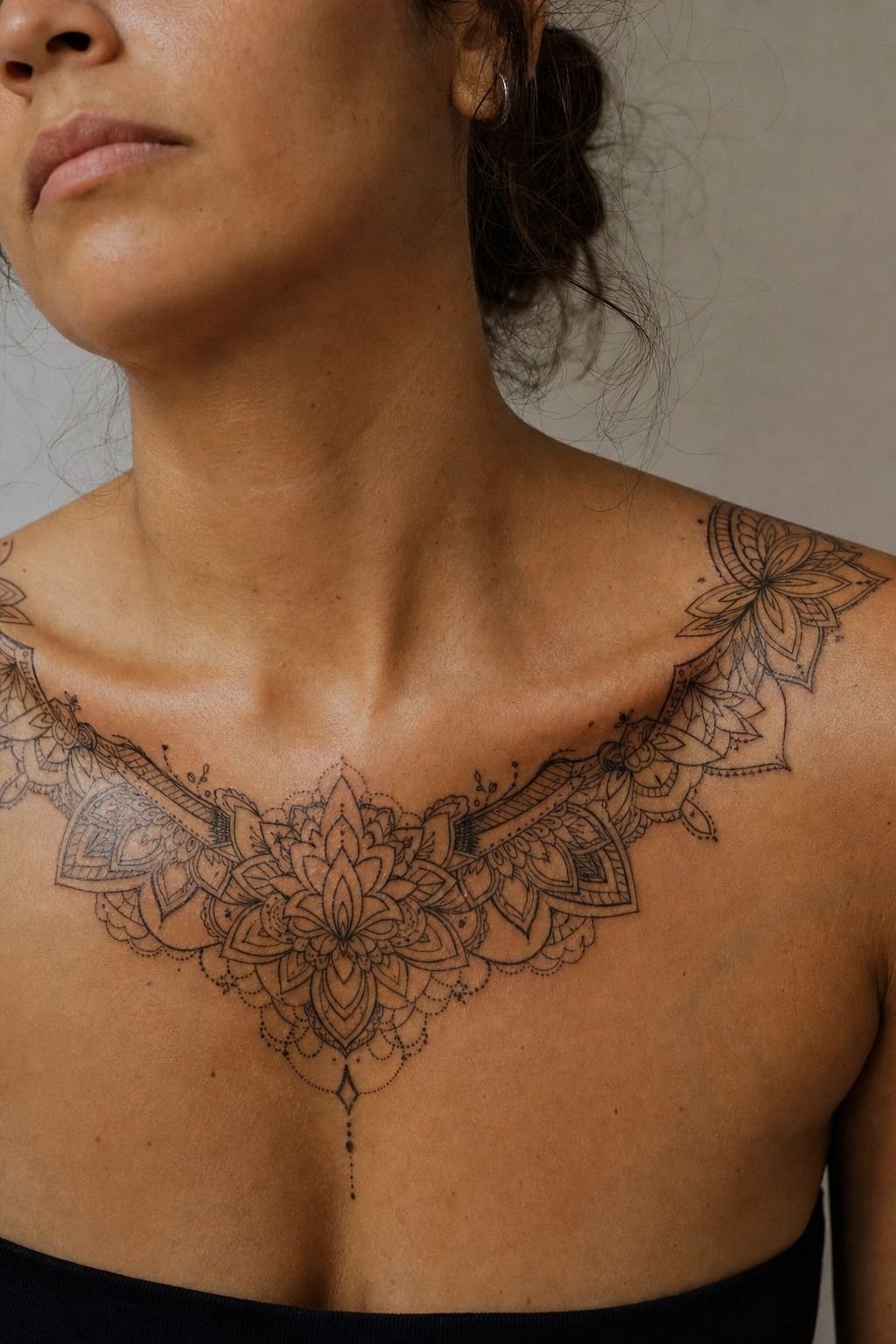
The collarbone version taught me how much petal layering can change the mood. On medium olive skin, an ornamental mandala wrapping the collarbone needs petal tips that follow the bone line, otherwise the whole design gets stiff. If you’re choosing collarbone placement, think flow first, not center detail.
I stacked the petals in three rings and kept each outer layer simpler than the one before it. That’s my Taper-Out Rule, and it works because the eye wants a clean exit point.
One tight inner bloom. One middle ring with rhythm.
One outer ring that does not beg for attention. That clean exit point matters.
10I Checked Flow Against Natural Back Muscles (Upper Back, Golden Tan Skin)
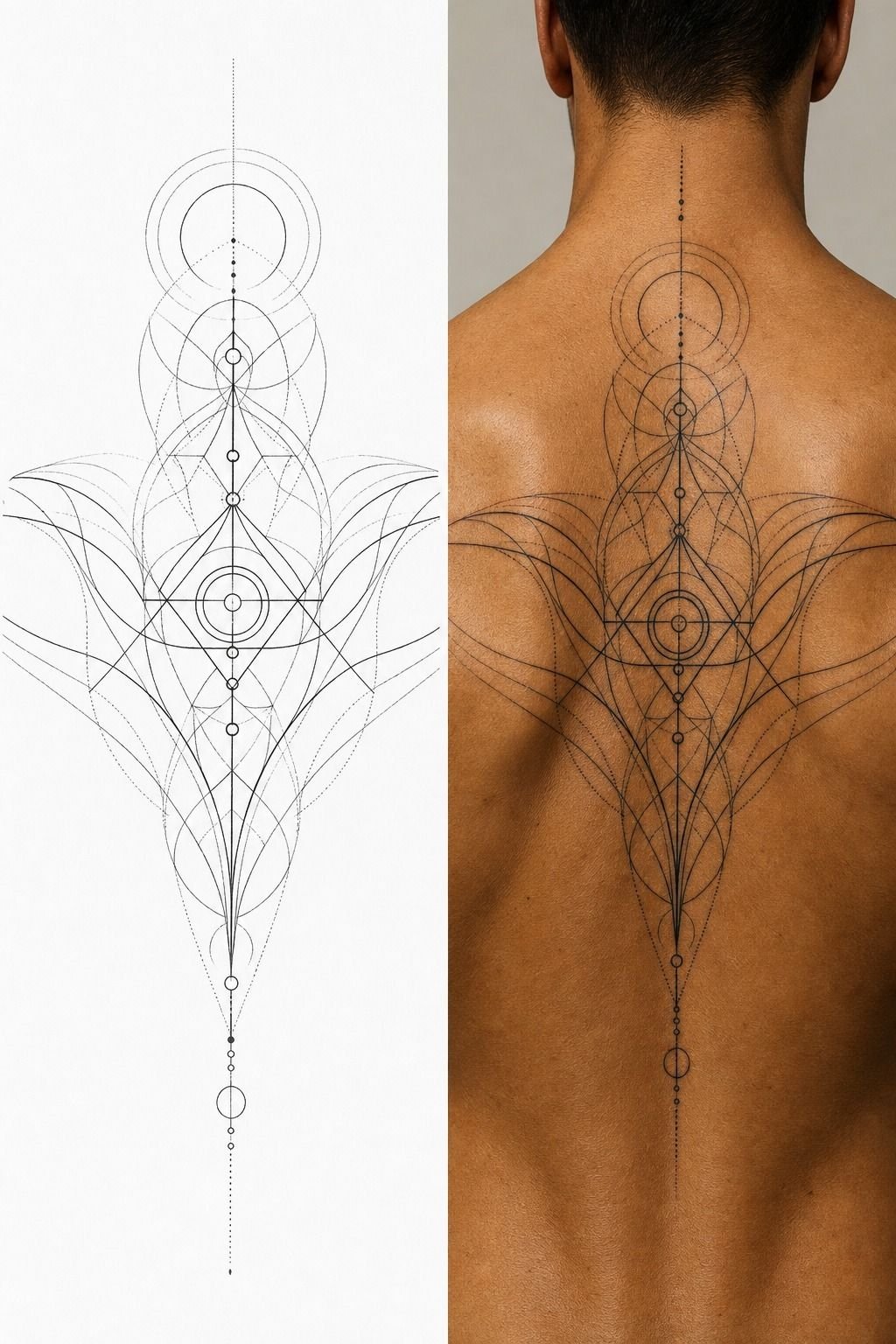
A split reference, stencil on one side and the healed tattoo on the other, is the reality check I wish more people saw. Upper back pieces live or die on how they sit across the shoulder blades. If the outer ring crosses the spine line at the wrong height, the design looks tilted forever, even when the linework is technically clean.
On this client, golden tan skin, we mapped the stencil along the natural V of the back so each petal pointed toward the shoulder instead of fighting the muscle. The tattoo healed like it belonged there.
If you’re planning a back piece, lay the stencil on the body and walk around the room before you commit. A tattoo map arm guide covers the same forward-planning logic for arm work, and the principle carries over.
11I Simplified Tiny Triangles Before Tattooing (Collarbone, Deep Brown Skin With Warm Undertone)
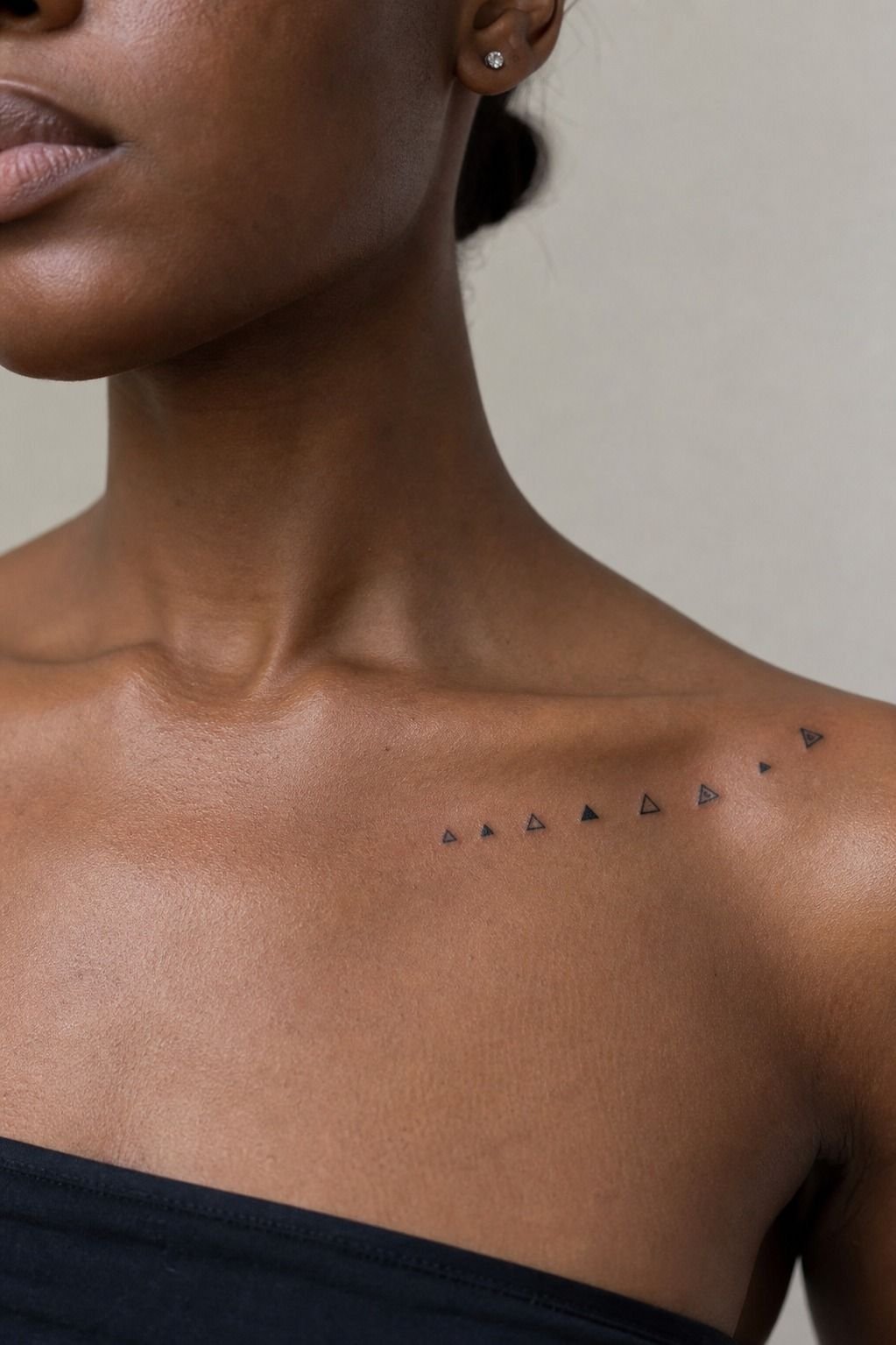
Tiny triangles are where a lot of mandalas lose the plot. On a collarbone, especially on deep brown skin with warm undertone, little points can blur together if they are too tight or too close to the curve of the bone. If you want the design to age cute on you, simplify early and without ego.
I cut almost a third of the smallest triangles before tattooing and replaced them with broader open wedges. That sounds like less, but it gave the collarbone piece way more authority.
More detail is not the same as more design. Bold will hold, and the strongest geometric work always has somewhere for the eye to rest.
12I Used Dot Shading For Soft Depth (Ribs, Deep Ebony Skin)
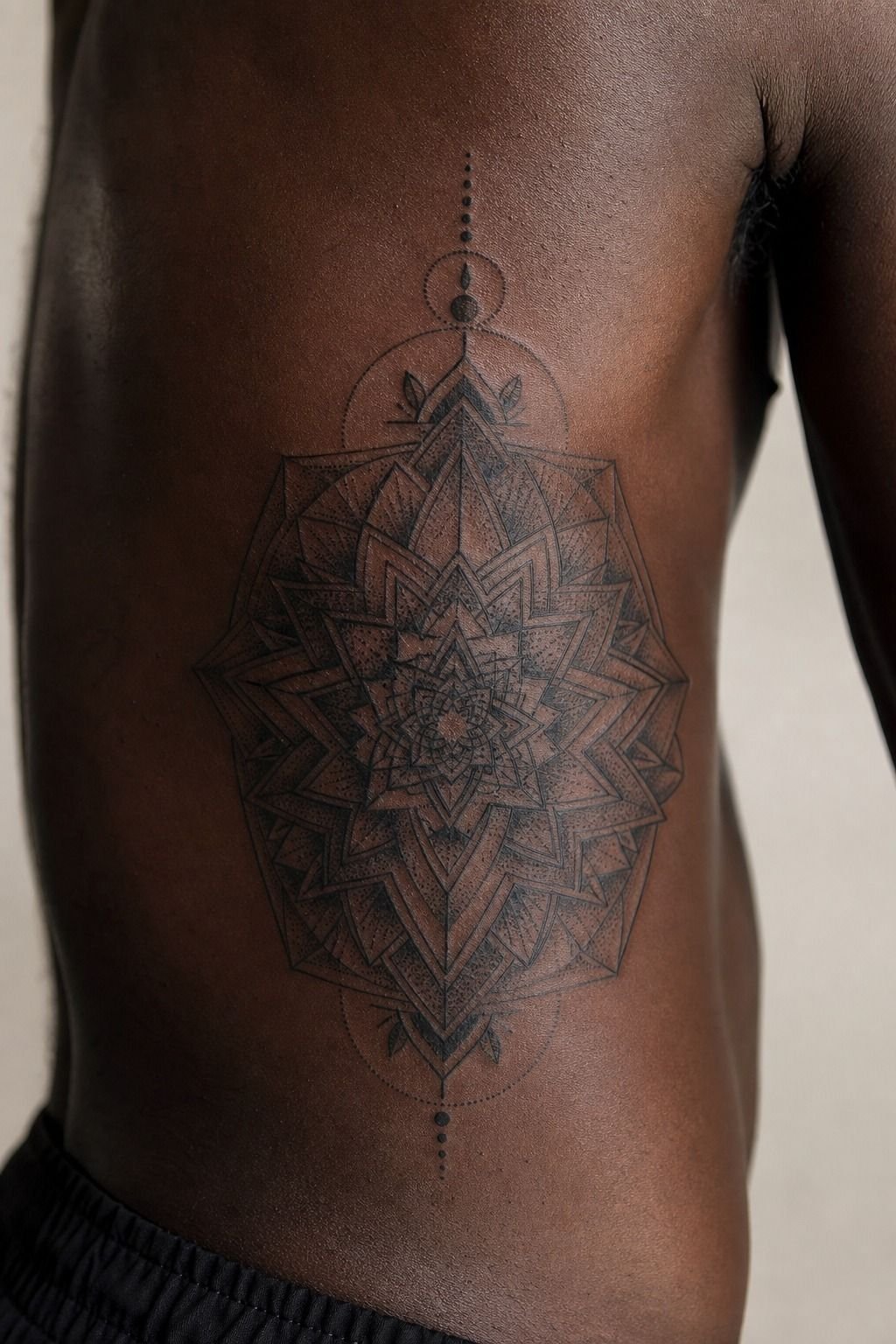
Ribs are spicy, so the technique choice matters more there. A 3RL outline with whip shade dot work in the negative space gives you depth without overworking the skin, and it heals velvety instead of patchy. The mistake I see on rib mandalas is artists packing solid black where dot work would have done the job.
On this client, deep ebony skin, we built soft grey fields with pepper shading and kept the outer ring a touch thicker to frame the whole piece. The tattoo healed soft, the contrast popped, and there was almost zero blowout. If you’re weighing rib work, set realistic expectations with the sternum tattoo pain guide before you book.
13I Kept The Outer Ring Crisp (Forearm, Fair Cool-Pink Skin, Healed Look)
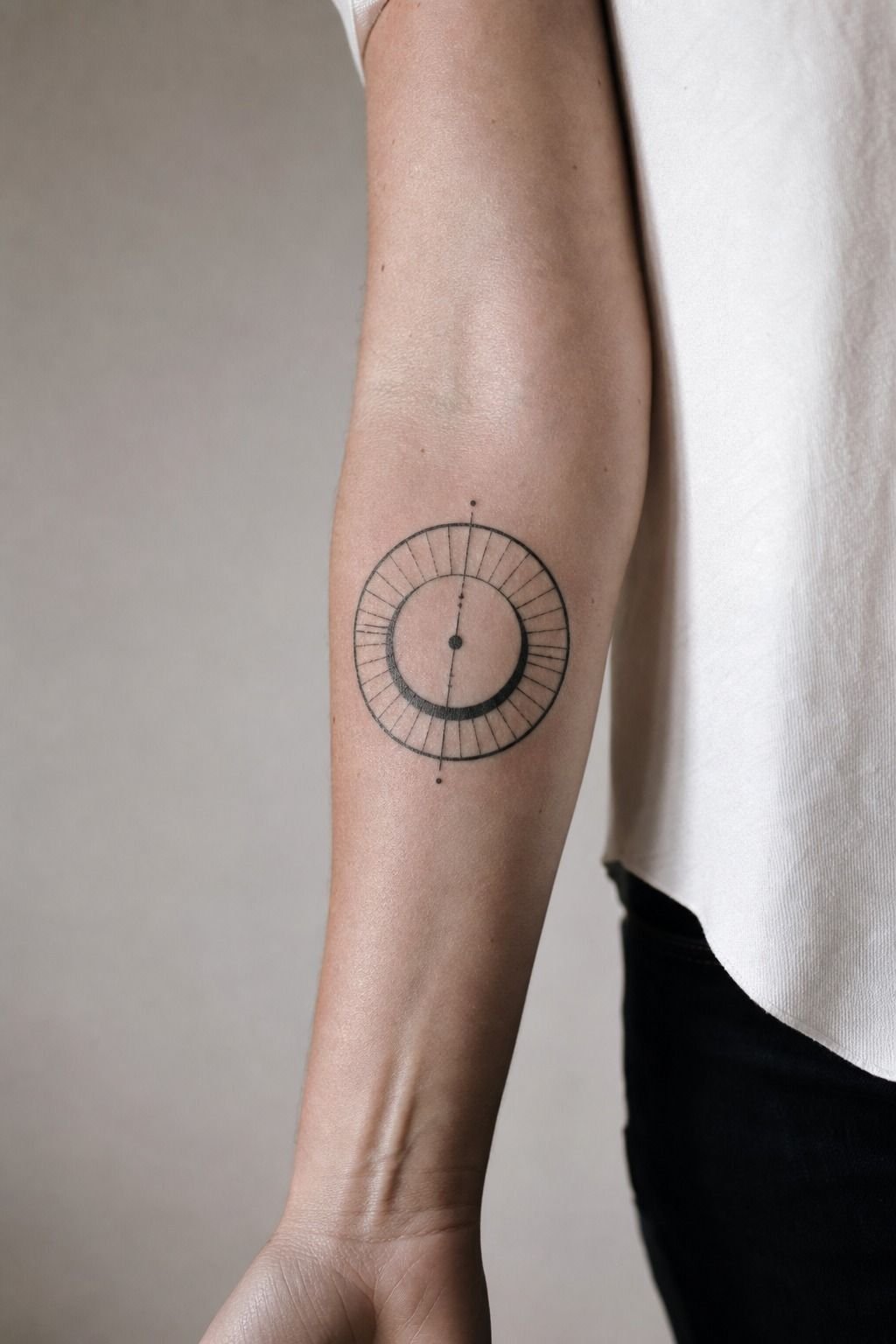
A healed forearm tells the truth. On fair cool-pink skin from wrist to elbow, the outer ring has to stay crisp or the whole geometric mandala loses its frame. If your outer ring is weak, every petal inside it suddenly looks softer too, even if the center healed well.
I made that ring slightly thicker than the inner spokes so it could hold the design together over time. Not cartoon-thick.
Just enough to act like a border. That call matters most on forearms because they are visible, moving, and exposed to UV.
A ladies wrist tattoo designs roundup is a useful reference if you’re torn between wrist and forearm, but the rule is the same: bigger canvas, longer life.
14I Matched Line Weight Across Every Section (Upper Arm, Medium Warm Ivory Skin)
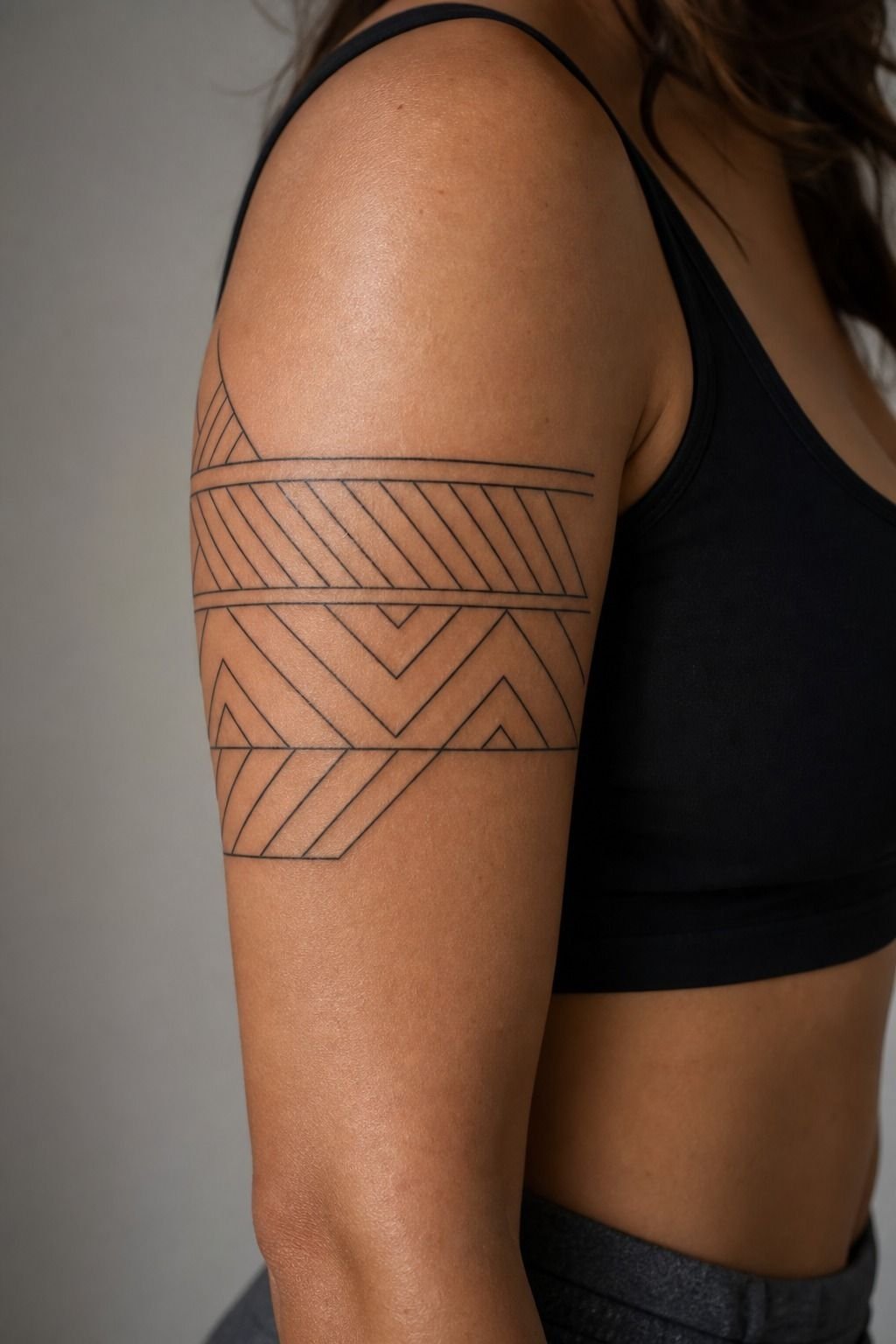
Upper-arm wraps can get messy when one band of linework looks delicate and the next one looks heavy-handed. On medium warm ivory skin, I matched line weight across each section so the full wrap felt intentional from front to back. If you are mixing fine lines and structural bands, you need a hierarchy you can explain in one sentence.
Mine was simple: framework heavier, ornament lighter, shading lightest. That’s my Three-Needle Map, and it keeps the design from wobbling stylistically.
I used a 5RL for the skeleton, a 3RL for the petal detail, and dots for tone. If you’re comparing artists, ask them how they build hierarchy in a geometric piece.
A scratcher will not have an answer. A real pro will answer immediately.
15I Paused Before Adding Blackwork Accents (Flash Sheet)

The blackwork flash sheet was tempting because contrast looks cool on paper. But I paused before adding solid black accents, and I’m glad I did. If you throw in heavy black just because the draft feels too polite, you can bully a clean mandala into something harsher than you meant.
I taped the flash up, walked away, came back the next morning, and one truth was obvious. The design did not need more black.
It needed more confidence in the gaps. That is a different fix entirely.
That pause probably saved my piece from feeling overcooked. If you want to see how traditional work handles black contrast, the mens American traditional tattoos guide is a good reference for bold fills that still age clean.
16I Wrapped The Pattern Around The Forearm (Golden Tan Skin)
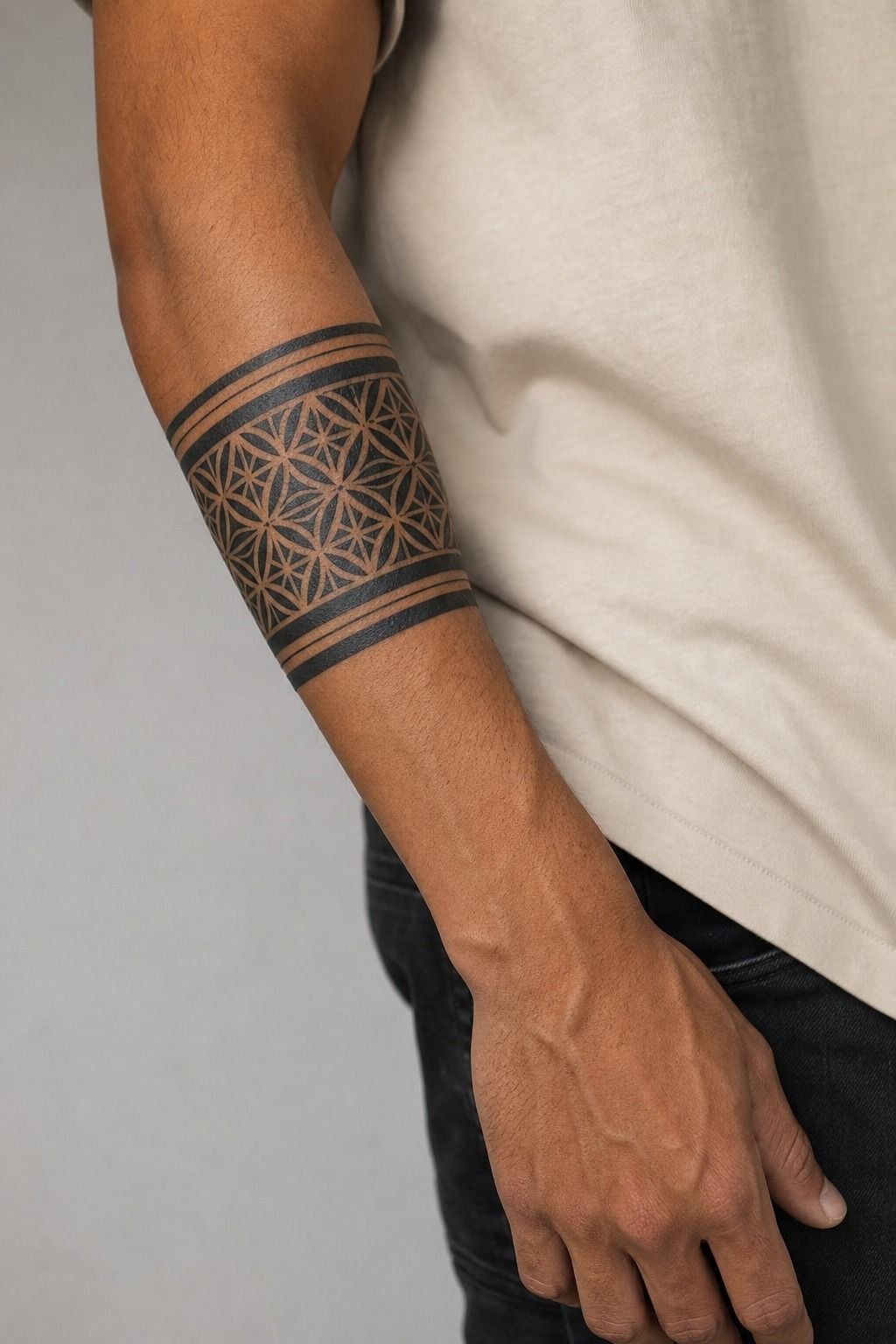
Forearm wrap pieces live or die on turn. A mandala that looks centered from the front but breaks weirdly when you rotate your wrist will bother you forever, even if the linework is technically clean. The fix is simple: design with the rotation in mind, not just the front-facing crop.
On this client, golden tan skin, I marked the wrist, mid-forearm, and elbow anchor points before drawing a single line. The pattern was laid out so each ring crossed the muscle at the same angle as the arm turns, which kept the symmetry honest from every angle.
Get that part right and the rest of the tattoo has room to breathe. Compare the placement logic with an inside arm tattoo ideas roundup if you’re weighing inner-bicep versus outer-forearm.
17I Protected The Mandala During Healing (Inner Forearm, Deep Brown Skin)
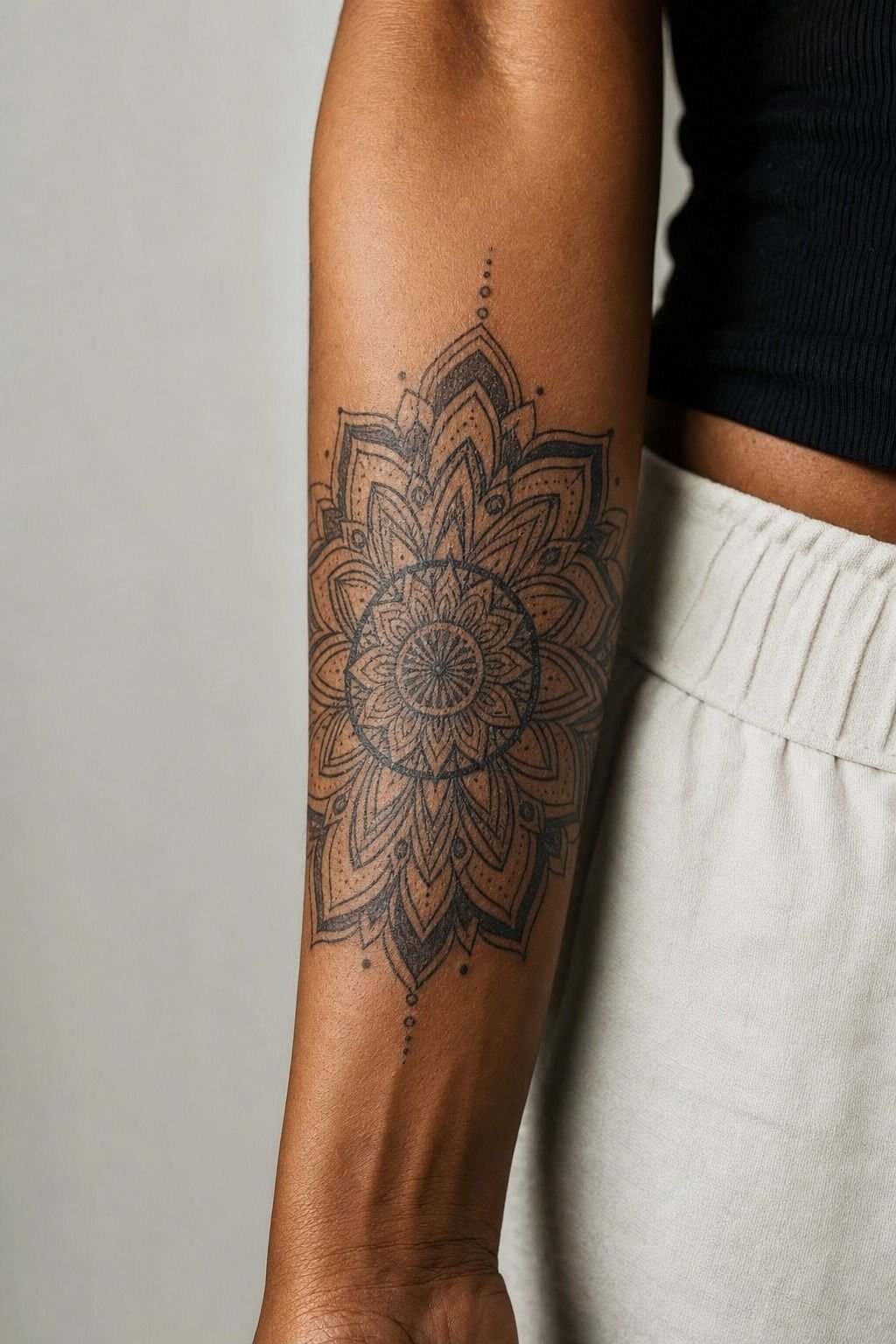
Fresh inner forearm tattoos are vulnerable because that skin rubs on sleeves, desk edges, and your own bad habits. During healing, I treated the mandala like what it was, an open wound for the first few days. If you want crisp healing, wash it with gentle unscented soap, pat it dry, and use a very thin layer of ointment so it does not get suffocated.
Pools, long sun, and gym friction are the stuff that quietly wrecks a clean tattoo. I kept mine out of direct UV, skipped soaking for about 2 weeks, and let the flakes fall on their own.
Don’t pick. You will pull color out.
A solid how long to keep tattoo out of water guide plus the how to heal tattoo faster guide together cover the first-month protocol that keeps a mandala looking sharp.
18I Checked Symmetry After The First Peel (Ribs, Deep Ebony Skin, Healed Look)
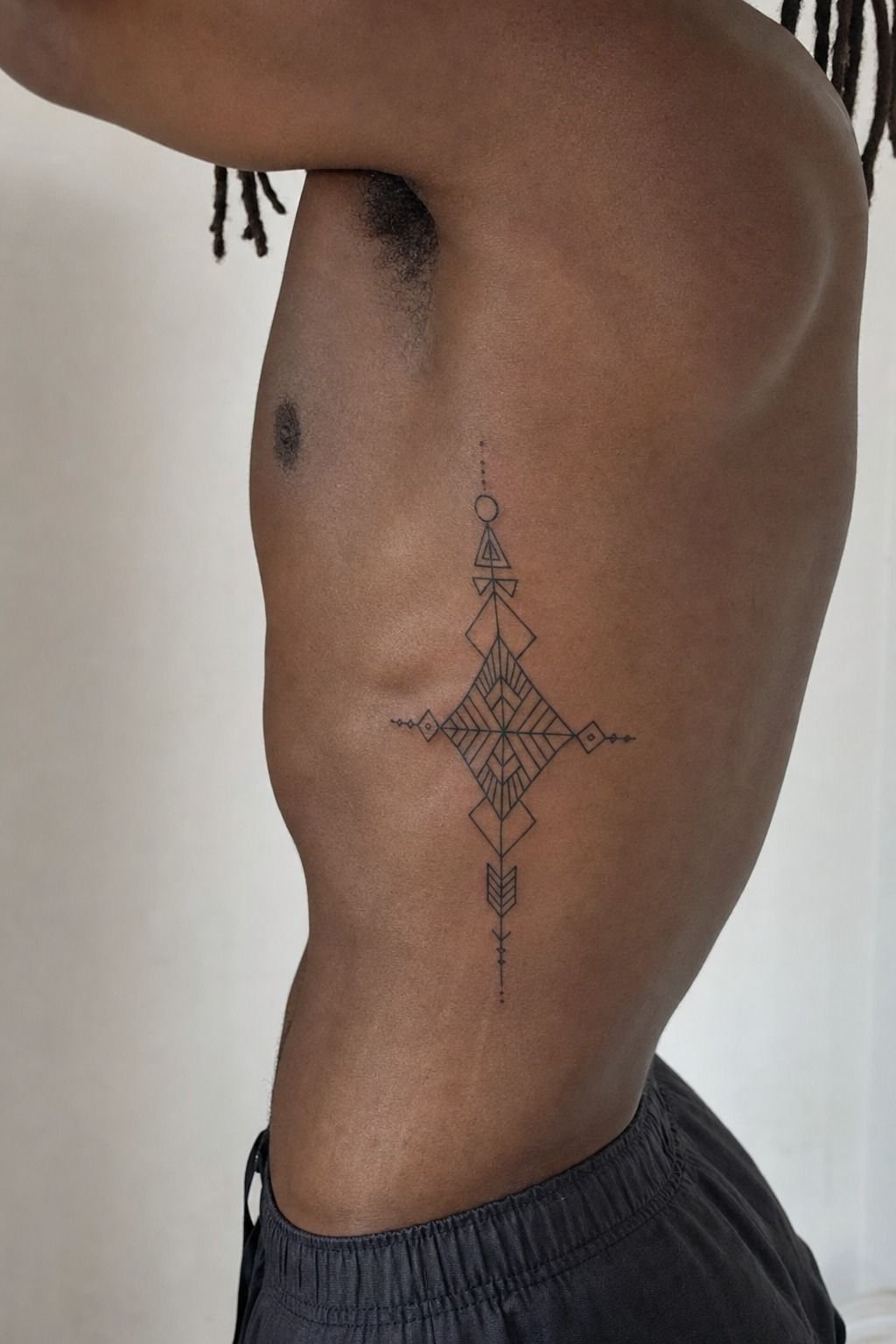
After the first peel, you finally see what the tattoo wants to be. On healed ribs with deep ebony skin, I checked symmetry once the shiny stage settled and the tattoo stopped screaming fresh. That is the point where tiny differences become visible, and it is also when you can tell whether the soft dot shading is carrying its weight or just sitting there.
Mine held nicely because the core was simple and the outer geometry was not cramped. The surface healing looked settled at around 2 to 3 weeks, but full maturation still took closer to 2 to 3 months.
That’s normal. If you judge a tattoo too early, you will scare yourself for no reason.
But if a line still looks blown by then, talk touch-up, not denial. The healed tattoo raised itchy guide covers what raised lines actually mean at that stage.
19I Planned A Future Geometric Sleeve Extension (Fair Cool-Pink Forearm)
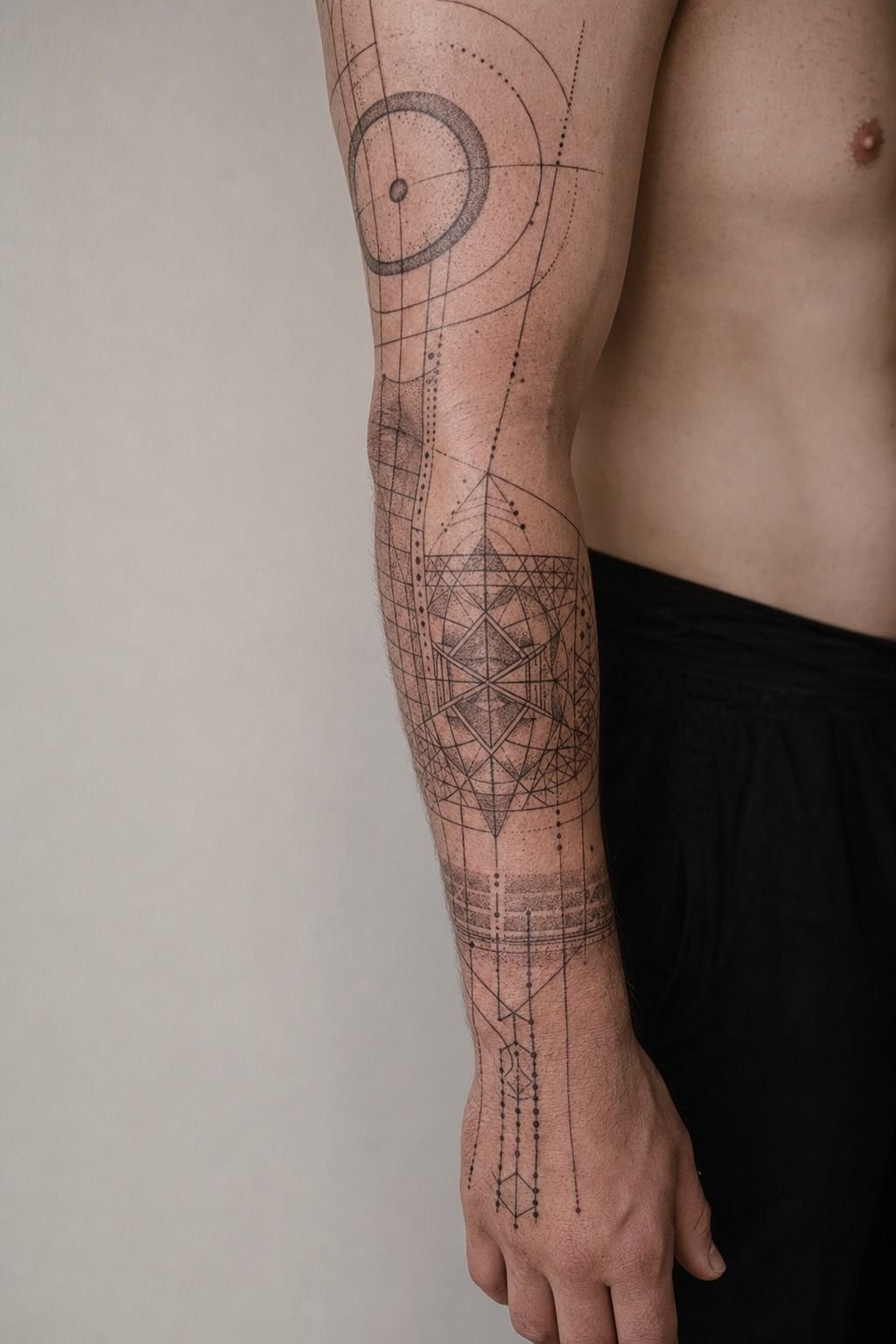
The sleeve extension plan came last because future-proofing matters. On a fair cool-pink forearm sleeve, I mapped where the next bands could land without choking the original mandala. If you’re thinking ahead, leave clean edges and open paths now so your future work has somewhere to go.
I marked two extension lanes, one toward the elbow and one toward the wrist, and kept both lighter than the anchor piece. That way the original mandala stays the hero.
A sleeve grows better when the first tattoo has cleaner clearance and a clear silhouette. If you want to see how complementary styles layer cleanly, the Japanese warrior tattoo guide and tribal rites Fort Collins tattoo guide both walk through how a hero piece holds up against future additions.
How much it cost: The Clean-Line Budget Map
I won’t fake you an exact quote because geometric mandala pricing swings hard by artist, city, and how long they take to draw crisp symmetry. But the typical US ranges are still useful, and they are a lot more honest than random Pinterest numbers.
If your artist quotes above the low end, that does not automatically mean they are overpriced. Clean geometry is slow.
One clean pull, consistent line weight, and a stencil that fits your body are worth paying for. Cheap geometric work is one of the fastest ways to buy a touch-up you did not want.
For a deeper read on session pricing, the how much do tattoos cost guide and tattoo cost range guide both break down what the line items actually cover.
My Three-Check Rule For Geometric Work
Here’s the honest part. I almost skipped this tattoo because the first version impressed my eyes and bothered my gut.
That’s usually the warning sign. A geometric mandala can be gorgeous on paper and still wrong for your body if the center is too crowded, the outer ring is too precious, or the placement ignores how skin moves when you breathe, reach, or twist.
You don’t need mystical instincts here. You need a clean decision framework.
So this is the rule I use now, both on myself and when a client drops a reference stack on the table. First, I check distance.
If the tattoo can’t read clearly from a few feet away, it is probably doing too much. Second, I check aging.
Are the smallest gaps wide enough to survive spread, sun, and real life, or am I pretending 1-millimeter details will stay frozen forever? Third, I check body flow.
If the geometry only looks centered while you’re standing like a statue, the drawing isn’t finished yet.
And this is where a lot of people get burned. They chase tiny perfection instead of durable clarity.
They ask for more petals, more triangles, more black, more everything. But more is not the flex.
Restraint is. The tattoo that heals nice is usually the tattoo that knew when to stop.
I learned that the slow way, with redraws, mirror checks, and one version I was smart enough not to tattoo.
You can use the same rule on your own design. Hold the reference farther away.
Zoom out. Ask whether the outer ring still holds the piece together.
Ask whether the dot work is adding softness or just clutter. Ask whether the placement is low-wear enough to age well or if you’re putting delicate linework in a high-wear zone because the placement sounds cool on paper. Why force a spicy ribs micro-mandala when your thigh or outer forearm would give you a calmer, cleaner result?
By the time I greenlit mine, it was not the busiest drawing in the stack. It was the clearest. And that’s exactly why I still like it.
The Questions I Get Asked Most
How much does a geometric mandala tattoo usually cost? A small geometric mandala runs $100 to $300, with most medium pieces landing around $300 to $700. Specialist hourly rates sit between $100 and $250, and any quote well below those numbers usually means a junior artist or a rushed stencil.
Are geometric mandala tattoos a good idea for a first tattoo? Yes, if you keep the design clean and the placement calm. Outer forearm, thigh, and shoulder are more tolerable starting points. Tiny over-detailed mandalas on ribs or fingers are a recipe for touch-ups, not a great first piece.
How do I choose an artist for geometric mandala work? Look for crispy healed linework, not just fresh photos. Geometric work exposes every wobble, so portfolio quality matters more than price. Ask about healed examples, line grouping, and how they size a stencil for a specific body part.
How much do geometric mandala tattoos hurt? Lines feel sharper, dot shading is a duller burn, and color packing is the spiciest part. Ribs, sternum, feet, and hands are noticeably more intense than outer forearm, thigh, or calf. Plan for a break rather than a pass-out.
How long does a geometric mandala tattoo take to heal? Surface healing usually runs 2 to 3 weeks, and the full settle takes closer to 2 to 3 months. Treat the first stage like wound care: gentle unscented soap, thin ointment, no pools, no picking, no hard sun.
What’s the best placement for a geometric mandala tattoo? Outer forearm, thigh, and upper back are the safest picks for clear line aging and manageable pain. Wrists, fingers, and feet look great on day one but require touch-up acceptance because they fade and blow out faster.
Where I’d Start First
If I had to pick one, I’d start with stencil size. Too small kills geometric work before healing even starts. Get the gaps wide, let the linework breathe, and the whole tattoo has a chance to stay clean.
Pin this for your consult, and when you’re ready to plan the rest of your stack, our geometric tattoo guide walks through how a strong mandala holds up against future additions.